Event marketing today is a pipeline channel, not a brand exercise. The companies winning are the ones treating events as revenue engines, choosing the right conferences, booking meetings with ICP buyers, and proving ROI inside their CRM.
This guide walks you through how to build a meetings-first event marketing strategy that drives real pipeline: selecting the right events, planning pre-event outreach, aligning with sales, tracking event-sourced revenue, and using attendee data to scale meeting volume with your best accounts.
If event-led growth is a priority for your GTM team, keep reading.
Key Takeaways
- Event marketers should lead with meetings, pipeline, and revenue. Define KPIs that anchor an effective event marketing strategy.
- Choose the event type and event format your target audience attends. Plan pre event outreach and onsite event marketing tactics that secure meetings.
- Use attendee data and Vendelux meetings automation to raise meeting rate. That’s how you scale event success.
- Measure event marketing success in your CRM. Attribute event-sourced and event-touched revenue to prove ROI and guide future events.
- Track event marketing trends to prioritize the right conferences, side activations, and executive dinners.
- Use Vendelux to find who will attend, engage attendees with relevant outreach, and improve ROI across your entire event program.
Set Event Marketing Goals That Ladder To Pipeline
Start with outcomes.
Meetings set, opportunities created, pipeline value, and closed-won revenue.
Define event marketing goals that align with your marketing strategy and sales plan. Add key performance indicators such as event attendance, attendee engagement, lead quality, meeting rate, meeting-to-opportunity conversion, and cost per meeting.
Use SMART goals and a realistic budget. Track costs against outcomes so you can prove ROI and defend spend for the next event. With Vendelux, your team can follow any account or contact in Salesforce or HubSpot, see which events they will attend, and push attendee lists into automated outreach to raise meeting rate.
Choose The Right Event Type For Your Target Audience
Go where your ICP will be.
Trade shows, conferences, executive dinners, side activations, regional roadshows, user conferences, or demo days. Pick the event format that maximizes in person conversations. Nearly 90% of event planners say in-person onsite and offsite meetings will increase in 2025.
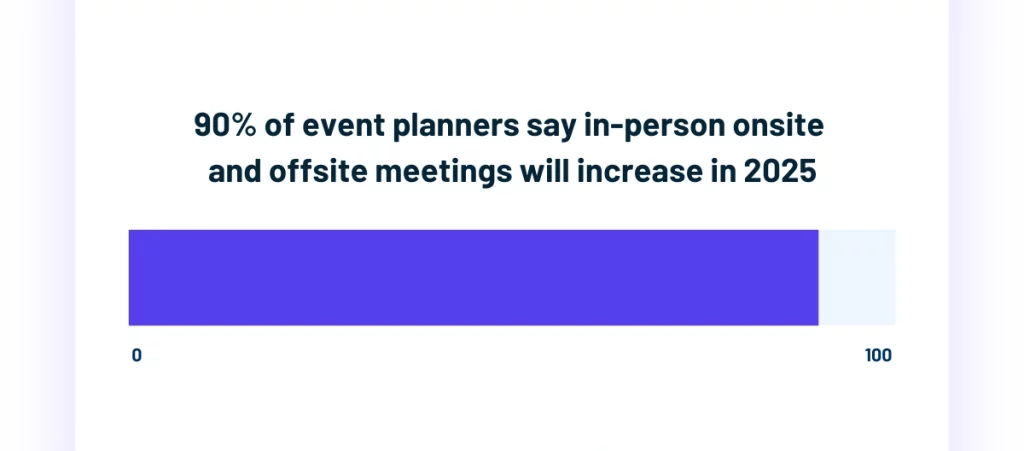
That signals strong demand for face-to-face time.
Build A Plan That Sales Can Execute
Event planning should enable your GTM teams, not focus on logistics.
Create a shared event marketing plan that covers pre event outreach, onsite meeting execution, and post event follow-up. Map owners, timelines, copy, and cadences. Connect your event website, landing pages, and forms to CRM so handoffs are instant.
Risk can derail meetings.
Use a simple contingency plan for speaker changes, travel issues, or venue shifts. The goal is the same, protect meeting volume with ICPs.
Measure Event Marketing Success In Your CRM
If you don’t measure, you can’t improve. Define success before the event begins, including meetings booked, meetings held, opportunities created, pipeline value, win rate, and deal cycle. Add supporting metrics such as event attendance, attendee satisfaction, and session engagement.
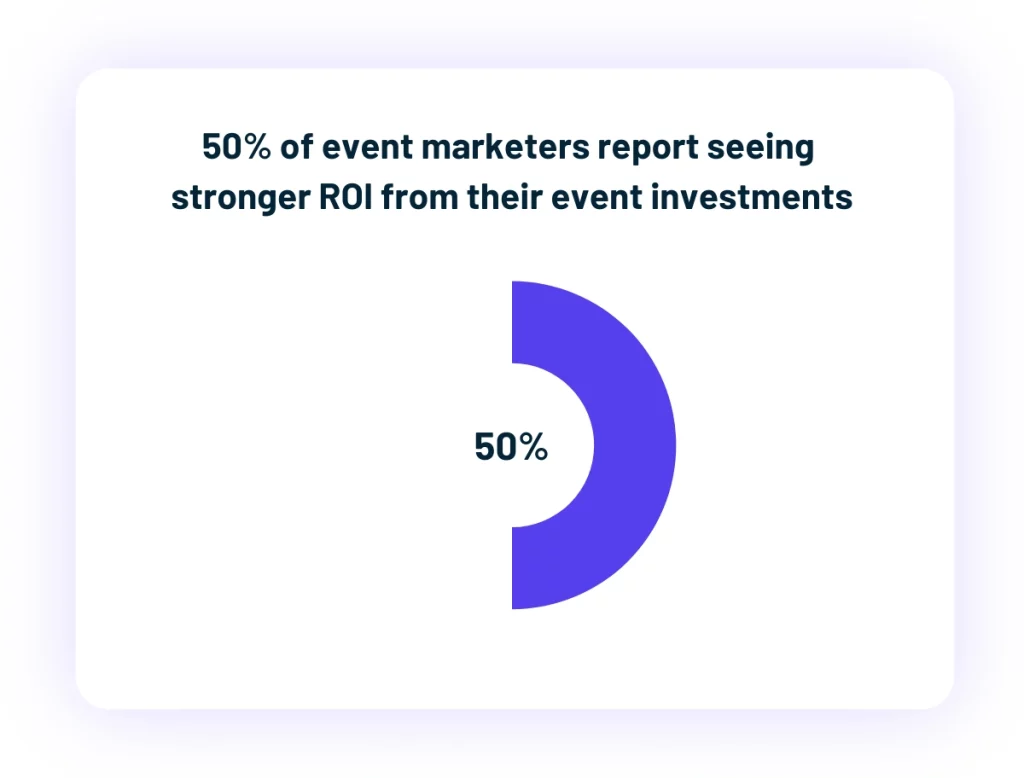
Half of event marketers report stronger ROI from their event investments.
Treat every event as a data source. Vendelux connects to Salesforce and HubSpot so you can attribute event-sourced and event-touched revenue. Track meetings to opportunities by contact and account. Revenue reporting inside CRM is coming in Q4 2025.
Design Audience Engagement That Drives Buying Behavior
Interactivity boosts engagement and sales readiness. Use Q&A, roundtables, live polls, and small-format meetings to engage attendees. Two-thirds of consumers are more likely to purchase after engaging with a brand at an event.
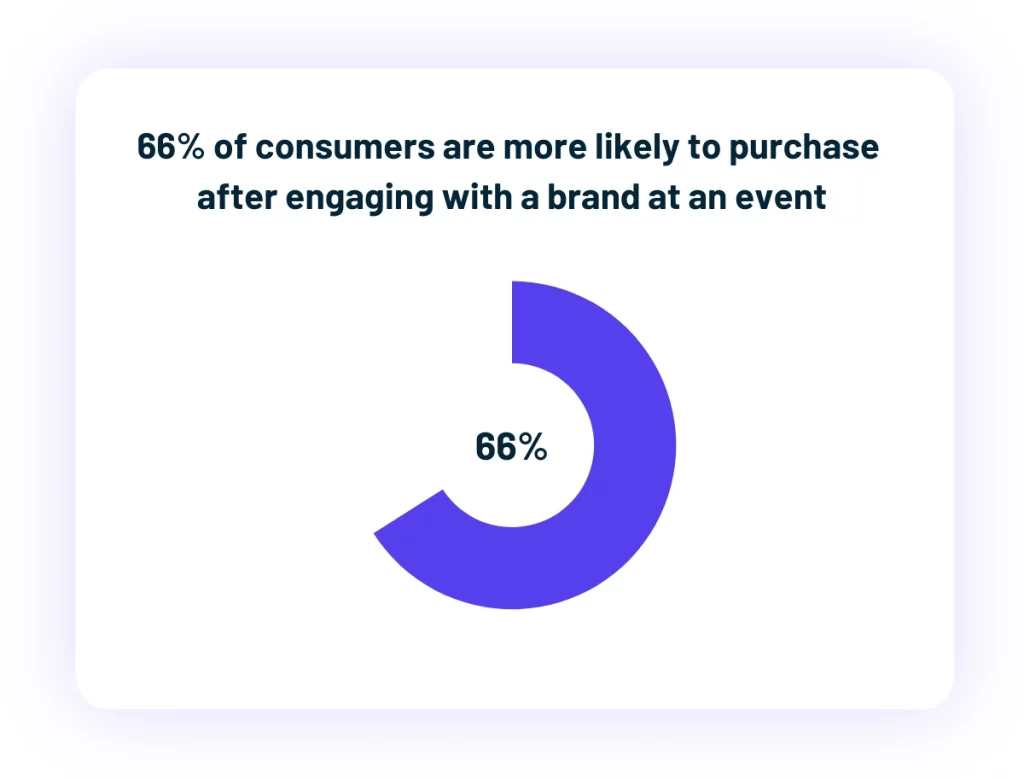
That is your signal to invest in experiences that convert.
Bring in industry professionals and keynote speakers who move the conversation forward. Capture notes and next steps in CRM so post event follow-up stays personal.
Use Content To Open, Accelerate, And Extend Conversations
Your event content marketing starts early. Publish thought leadership, session previews, and customer stories on your event website and social media channels. Email marketing should invite meetings, confirm agendas, and share promotional materials that help prospects prepare.
After the event, repurpose recordings into clips and articles for future promotions. Send tailored content to each meeting contact to keep momentum and boost engagement.
Execute The Marketing Plan With Precision
Great plans fail without tight execution. Align marketing and sales on daily targets, meeting locations, and coverage by account list. Track meeting capacity, fill rates, and no-shows. Keep registration, wayfinding, and session communication simple across mobile apps or your event app to reduce friction and engage attendees onsite.
Post event, run fast, insight-driven follow-up that references the meeting and next steps. Your marketing campaigns should push contacts to opportunity creation while the context is fresh.
Leverage Event Technology That Improves Decisions
Use event technology that helps you measure attendee engagement and book meetings faster. Analytics platforms reveal session popularity and booth traffic so you can shift resources in real time.
Recent research shows that 50% of event professionals plan to use AI in their events, and 41% are turning to mobile event apps.
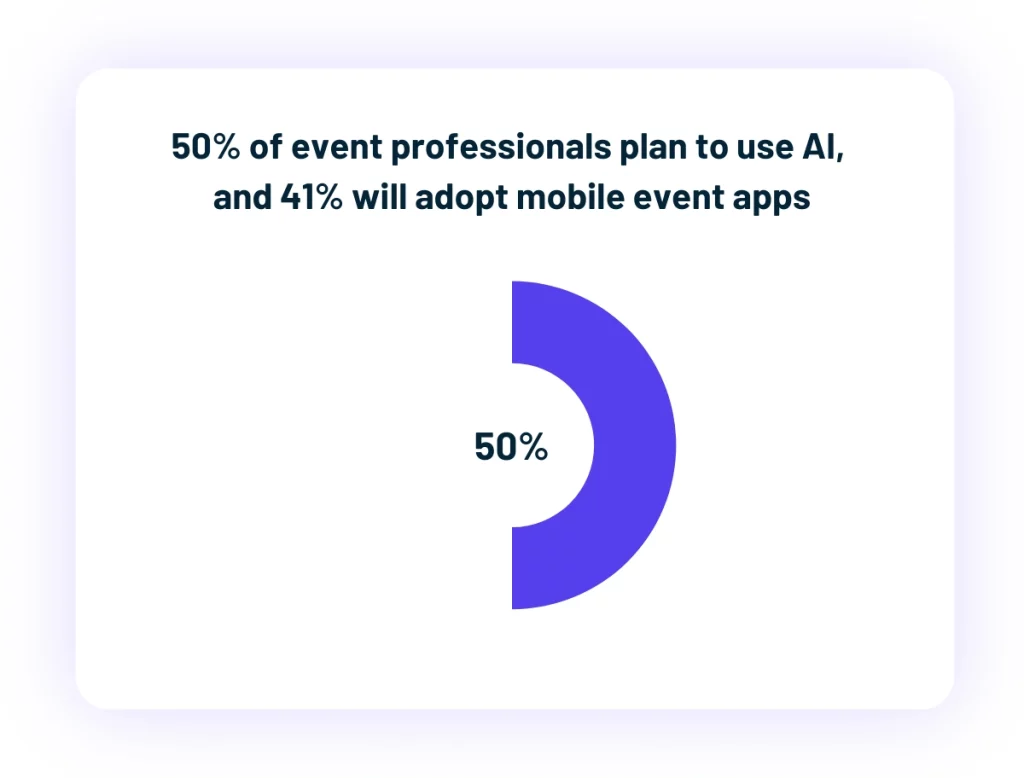
These tools support live event marketing and make outreach more effective. Emerging formats like virtual reality can enhance demos for complex products, but the KPI is still meetings held with ICPs.
Create A Continuous Improvement Loop For Future Events
Close the loop with a short post event survey and internal debrief. Capture attendee feedback, follow-up quality, response times, and lead-to-opportunity performance. Apply findings to improve future events, from event type selection to pre event messaging.
Seven in ten event professionals say events play an equal role in acquiring new customers and retaining existing ones.
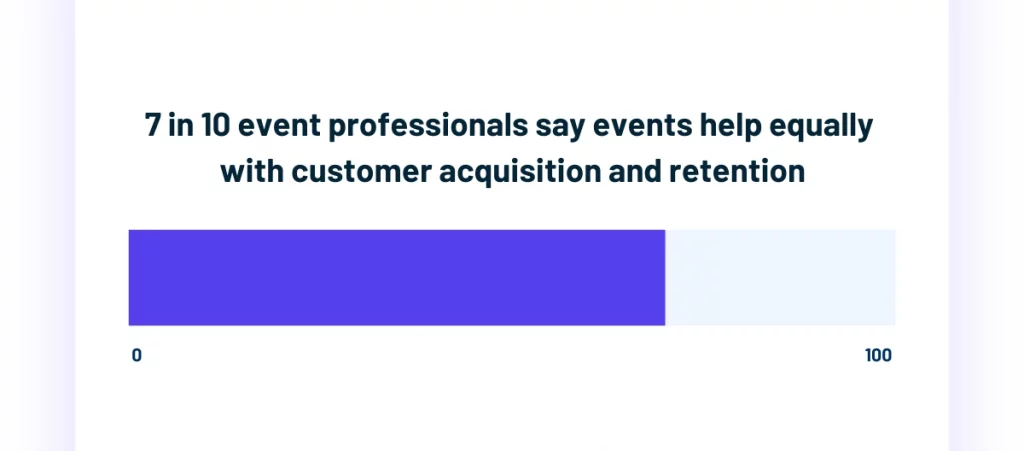
Treat each event as a compounding asset that strengthens relationships over time.
Proof It Works: Two Brief Case Studies
Voltage, Fintech SaaS, CRO-Led
With Vendelux, Voltage turned events into a pipeline engine. The team saw a 300% increase in late-stage pipeline year over year, booked 6x more qualified meetings per event, and closed the largest deal in company history from an event they would have skipped without Vendelux. ROI in under 100 days.
Delivery Solutions, Enterprise Retail SaaS
At Shoptalk, Delivery Solutions booked 76 incremental, highly targeted meetings with enterprise retailers. With confirmed attendee data and lead time, the team created personalized decks and outreach that produced better meetings and stronger ROI.
Why Vendelux For Meetings-First Event Marketing
- Attendee data: real buyers, not guesswork.
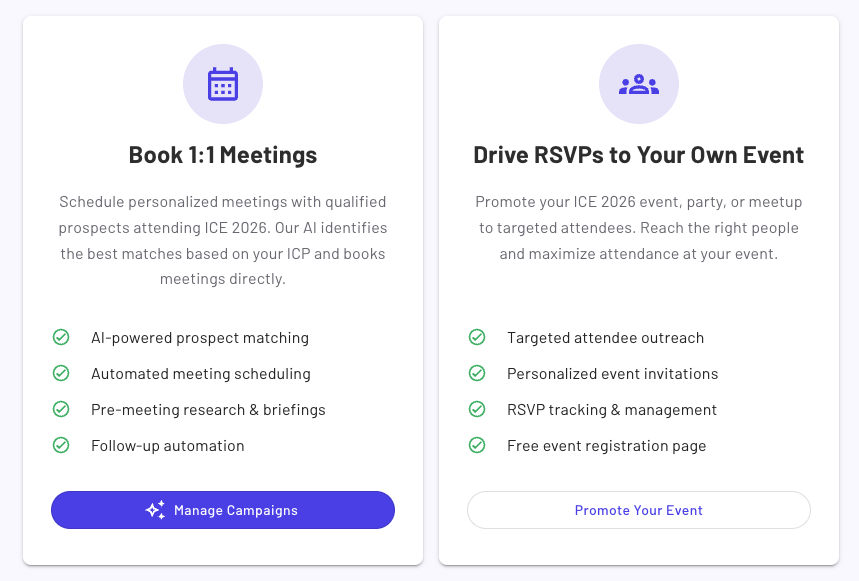
- Meetings scheduling: on-brand outreach that books meetings for your team.
- Event intelligence: match your target audience to the right events, including side activations and executive dinners.
- CRM integrations: connect Salesforce and HubSpot, push attendee lists, follow contacts and accounts, and attribute revenue.
- Performance: 2.5x positive response rate and 6x higher meeting rate than industry averages.
Imagine landing in Vegas with your calendar already full of meetings with ICP prospects. That is Vendelux.
Book A Demo
Ready to turn your event marketing efforts into meetings, pipeline, and revenue? Book a demo and see how Vendelux powers a repeatable, meetings-first event marketing process.
Frequently Asked Questions
1. How should B2B event marketers plan pipeline for event-led growth?
Start with your revenue targets, reverse-engineer how many meetings you need, then map those meetings to the events where your ICP is confirmed to attend. Use historical meeting rates, meeting-to-opportunity conversion, and win rates to create realistic pipeline models.
2. What’s the best event format for generating high-quality sales conversations?
Trade shows provide volume, but executive dinners and side activations deliver the highest meeting-to-opportunity conversion. The best mix depends on where your ICP spends time — use attendee data to confirm before committing budget.
3. How can I increase pre-event meeting rate for conferences?
Begin outreach as soon as attendee lists are confirmed. Segment by account + persona, personalize message sequencing, and offer meeting value (not a generic ‘swing by our booth’). Meetings automation and attendee intelligence dramatically lift positive reply rates.
4. How do I align sales and marketing around event goals?
Share a joint event plan with target accounts, required meeting volume, outreach responsibilities, and daily onsite targets. Connect the event plan to CRM so meeting notes and next steps move seamlessly into pipeline.
5. How should I measure the pipeline impact of an event?
Track:
- meetings booked
- meetings held
- opportunities created
- pipeline value
- event-sourced vs event-touched revenue
- meeting → opp → closed-won conversion
- This gives you a defensible ROI story for leadership.
6. What’s the best way to capture and organize event data?
Push attendee lists directly into Salesforce or HubSpot. Capture meeting notes, next steps, and buying signals in CRM during the event, this increases early-stage opportunity creation and accelerates deal velocity.
7. How do I improve each event based on performance?
Run a quick debrief with sales, analyze which segments delivered the strongest meetings, compare actual vs expected pipeline contribution, then adjust your future event mix accordingly. Use attendee feedback to tune messaging and experience design.