The General Data Protection Regulation and the California Consumer Privacy Act reshaped how you collect, store, and use attendee data. For any event organizer or event marketer, event data privacy GDPR compliance is both a legal obligation and a trust advantage.
Done well, it protects personal data, reduces risk, and safeguards pipeline by keeping your outreach permissions clean and defensible.
TLDR: Key Takeaways
- Event data privacy GDPR compliance protects attendee trust and pipeline impact by ensuring you process data responsibly.
- Your risk management plan must include data breaches, data subject requests, and international data transfers.
- Event organizers should obtain explicit consent, sign data processing agreements, and enforce strong security measures and access controls.
- Minimize, protect, and retain personal data only as long as necessary, then delete according to a data retention policy.
- Vet vendors carefully, sign data sharing agreements and data processing agreements, and confirm every data processor can support GDPR requirements and CCPA rights.
- Compliance strengthens event marketing outcomes by building loyalty and differentiation in a crowded market.
Understanding Event Data and Roles
Event data often includes personally identifiable information: names, job titles, company, emails, phone numbers, IP addresses, and activity from event websites and event apps.
- You as data controller decide why and how personal data is processed.
- Vendors as data processors act on your instructions via signed data processing agreements.
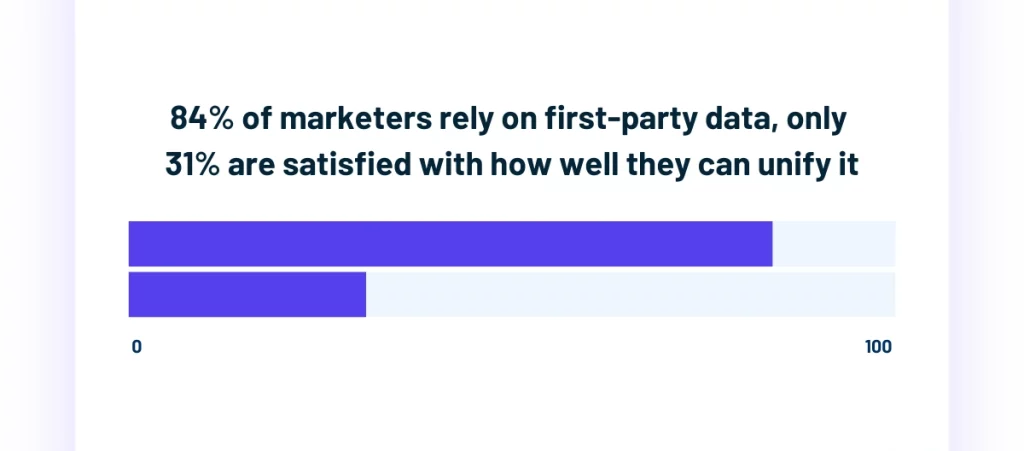
While 84% of marketers rely on first-party data, only 31% are satisfied with how well they can unify it.
Solid data management and compliant data collection are essential or even legally collected attendee information loses value.
Under GDPR, sensitive personal data, for example health or accessibility information, requires special protection. CCPA expands personal information to include browsing behavior, geolocation, and other attendee information collected through digital tools. Apply data minimization: collect only what you need.
Ensuring Data Privacy From First Touch
Embed compliance into every touchpoint, from registration forms to event websites and event apps.
Obtain explicit consent
- Clear opt-in checkboxes that explain how you will use and share attendee data.
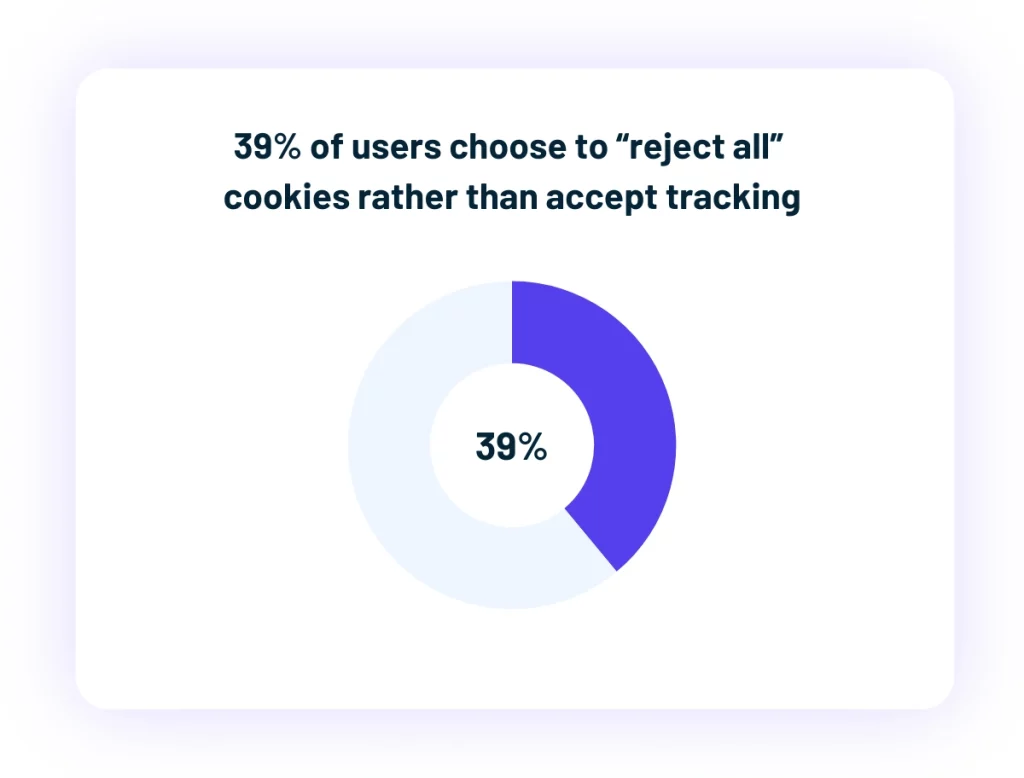
- Transparent cookie banners with real choices. When given a clear option, 39% of users choose to reject all cookies.
Explain data usage
- Tell attendees why you collect data, for example scheduling meetings, session communications, or post-event event marketing.
Offer opt-out controls
- Provide “Do Not Sell or Share My Personal Information” links where applicable and honor unsubscribe signals.
Appoint a data protection officer
- Larger or higher-risk programs may require a DPO to oversee compliance and handle data subject requests.
Managing Data Security
Data security is central to GDPR compliance and CCPA. Protect personal data with layered security measures.
- Encrypt data in transit and at rest.
- Limit access with role-based permissions and audit trails for event staff.
- Confirm each vendor’s security measures, breach notification process, and uptime posture.
- For international data transfers, use standard contractual clauses.
Achieving GDPR and CCPA Compliance
Compliance is an ongoing program, not a one-time checklist.
Core steps
- Conduct a data audit of all personal data collected, stored, and shared across systems.
- Sign data processing agreements with every vendor that processes attendee data.
- Create a data retention policy and retain personal data only for necessary business purposes. Delete or anonymize on schedule.
- Implement organizational measures: staff training, documented procedures, and regular reviews.
Attendee rights you must support
- Access and copies of personal data.
- Correction and deletion requests, including the GDPR right to be forgotten.
- Data portability.
- CCPA opt-out and limitation rights.
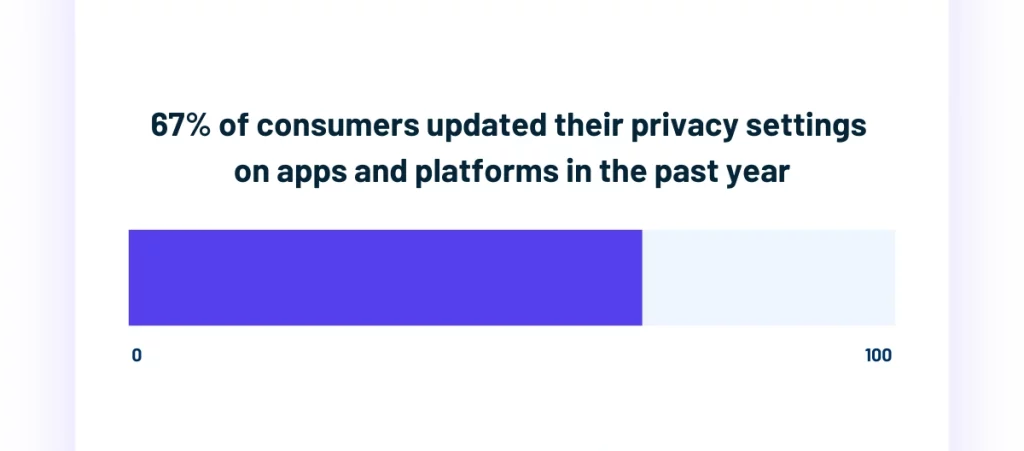
Sixty-seven percent of consumers reviewed or updated their privacy settings in the past year, so expect attendees to exercise these rights and be ready to respond.
Vendor Risk Management
Your CRM, registration software, ticketing platform, mobile app, and analytics partners all impact compliance.
Do this with every vendor
- Sign data processing agreements and data sharing agreements.
- Assess data security, access controls, and breach notification obligations.
- Confirm the ability to fulfill attendee requests, for example deletion or data portability.
Incident Response and Penalties
Even strong programs face incidents. Be ready to act quickly.
Incident response essentials
- Document a breach notification plan, including GDPR’s 72-hour regulator notice where applicable.
- Notify affected attendees and coordinate with legal, vendors, and regulators.
- Perform a risk assessment to evaluate scope and likelihood of harm.
Penalties if you fail
- GDPR fines up to 4% of annual global turnover.
- CCPA penalties from 2,500 to 7,500 dollars per violation.
- Reputational damage that harms future events.
Business Benefits Of Doing It Right
Compliance is good business.
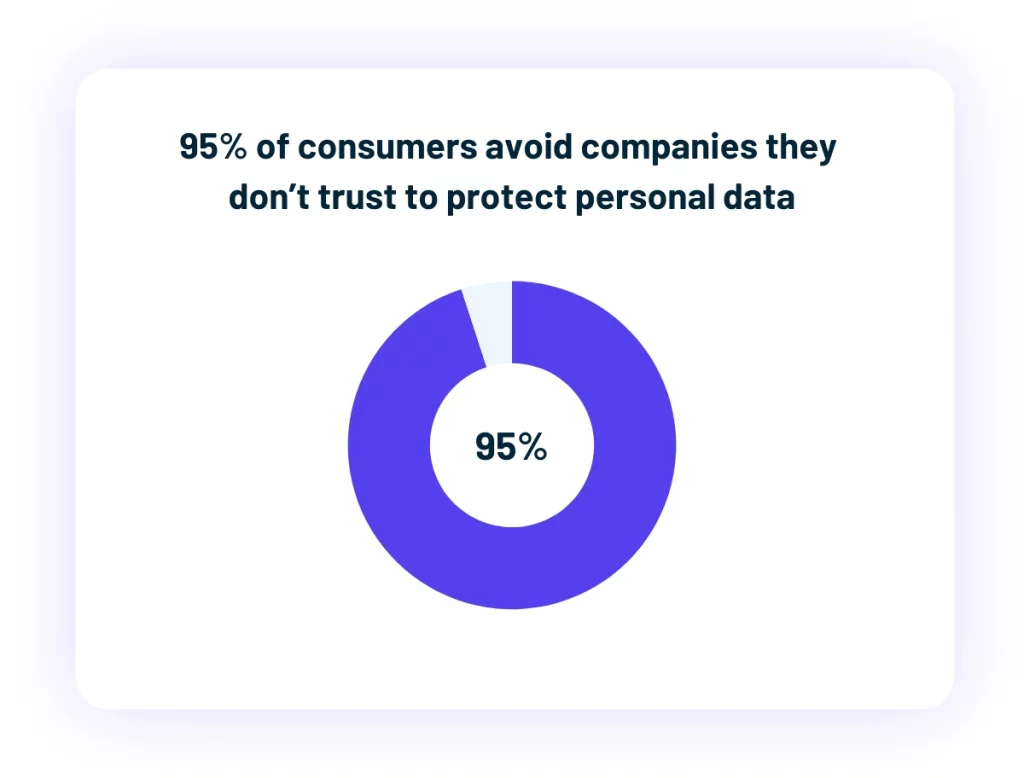
- Trust drives participation. Ninety-five percent of consumers say they avoid companies they do not trust to safeguard personal data.
- Better data management improves customer data quality and event marketing performance.
- Privacy leadership differentiates your brand and supports successful events and future events.
Implementing GDPR Compliance Across Your Event Strategy
Bake privacy into the event lifecycle.
- Update registration forms and event websites with clear opt-in language.
- Train teams and document key principles and procedures.
- Schedule regular audits and risk assessments before every upcoming event.
- Align event strategy with compliant data collection so your outreach and pipeline models remain reliable.
Protecting Event Data With Vendelux
You need to drive pipeline without risking attendee trust. Vendelux helps you align event strategy and event marketing with data privacy:
- Centralize event data with clear consent signals.
- Enrich attendee data while respecting data minimization and retention rules.
- Track outcomes without over-collecting personal data.
With compliant data flows and confirmed attendee insights, you keep your outreach effective, protect personal data, and maintain compliance that leadership can trust.
Ready to elevate compliance and maximize pipeline impact, together? Book a demo and see how Vendelux supports GDPR compliance and CCPA obligations while helping you create more meetings, pipeline, and revenue.
FAQs
1) Do GDPR and CCPA both apply to my event?
GDPR applies when you handle personal data collected from individuals in the European Union. CCPA applies when you collect personal information from California residents and meet its business thresholds. Many global programs design policies to satisfy both.
2) What is the difference between a data controller and a data processor at events?
The event organizer typically acts as the data controller, deciding why and how to process data. Vendors that process data on your behalf are data processors and must sign data processing agreements.
3) How long can we retain personal data after an event?
Only as long as necessary for clearly defined business purposes. Create a data retention policy, document timelines, and delete or anonymize data on schedule.
4) How fast do we need to respond to a data breach under GDPR?
You must notify the supervisory authority without undue delay and, where feasible, within 72 hours of becoming aware of the breach. You may also need to inform affected attendees, depending on risk.
5) What attendee rights must our processes support?
Access, correction, deletion, and data portability under GDPR, plus CCPA opt-out rights. Make data subject request workflows simple and auditable.