If your team is attending, sponsoring, or speaking at third-party events, treat event risk management as revenue protection.
In the events industry, a proactive approach to risk means your meetings still happen, your lead capture still works, and your pipeline stays intact even when potential disruptions appear.
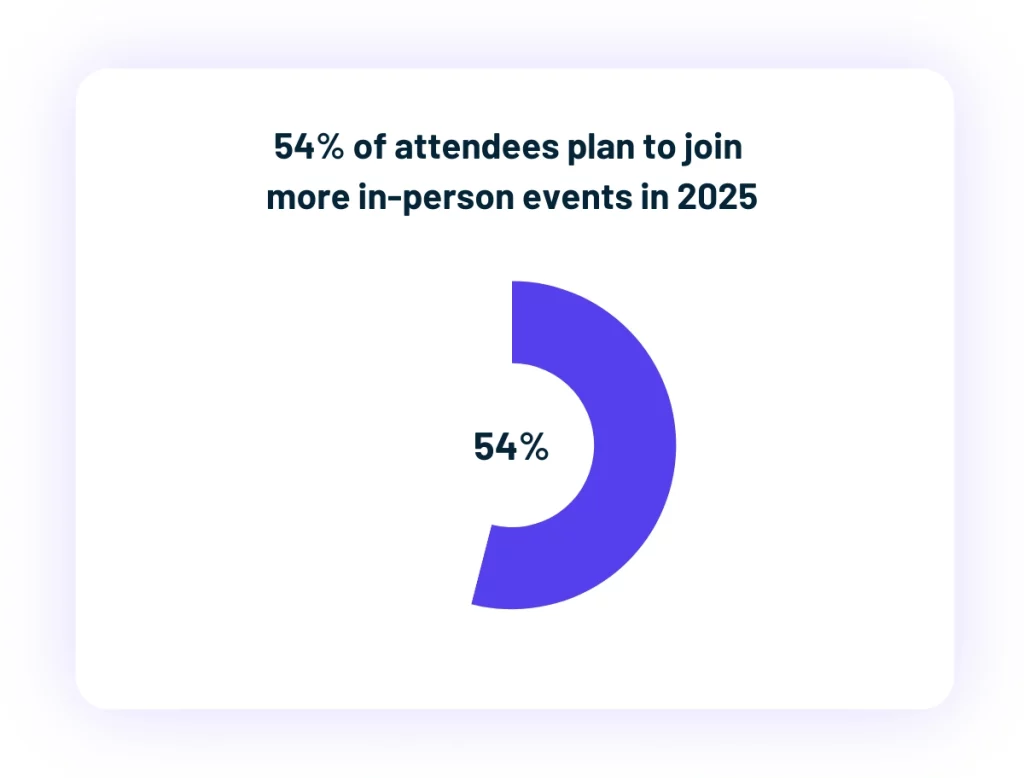
With 54% of attendees planning to participate in more in person events in 2025, exposure to travel issues, environmental conditions, and venue variability increases alongside opportunity.
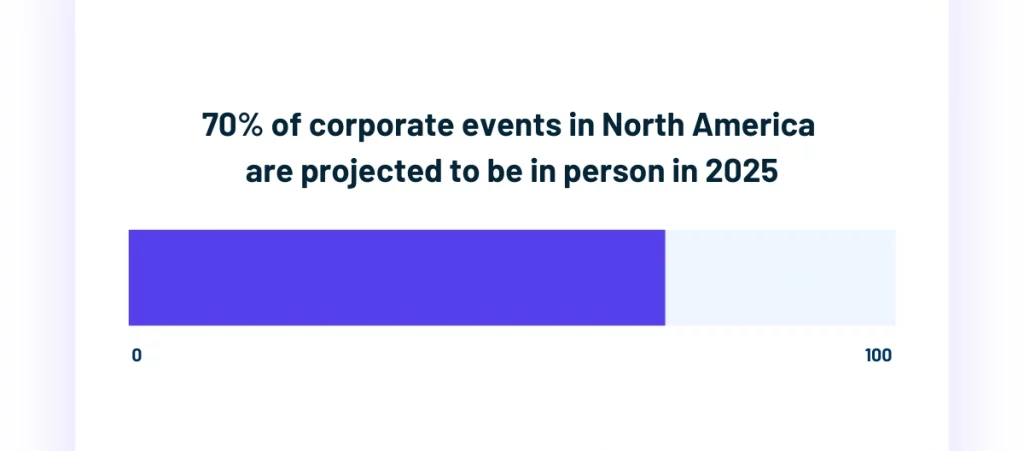
In North America, about 70% of corporate events are projected to be held in person in 2025, which raises the need for effective risk management across your attending playbook.
TLDR: Key Takeaways
- Build an event risk management plan that protects meetings, lead capture, and attribution. Keep the focus on pipeline impact, not paperwork.
- Use a compact risk register that lists each identified risk, likelihood, impact, owner, mitigation, and contingency plans. This helps event planners, event organizers, and event professionals stay aligned.
- Prioritize significant risks first, for example technical failures, severe weather, and security issues. Plan for such risks before risk occurring affects participants or revenue.
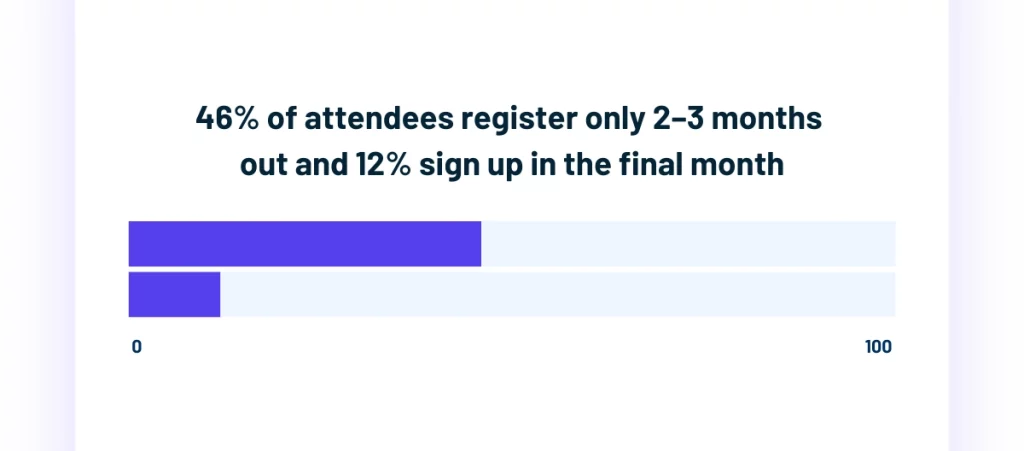
- Registration is volatile, which affects capacity and messaging. Forty six percent of attendees register 2 to 3 months out and 12% in the final month.
- Event tech helps and can fail. Prepare backups for scanners, audio visual equipment, mobile apps, and data sync.
- Run a post-event evaluation to improve the next event and keep your team aware of what worked.
What risk looks like for attending teams
Event risk is any potential threat that could reduce event ROI, derail meetings with target accounts, or depress attendee engagement.
- Operational risks: airline delays, badge pickup failures, scanner outages, streaming breakdowns, or A/V gaps that block session attendance or demos.
- Environmental risks: unpredictable weather, outdoor events that require relocation, or transportation strikes that impact target dates and arrival windows.
- Security and safety risks: crowd control choke points, emergency response confusion, or access issues that jeopardize high-value meetings.
- Financial risks: cancellations, low ICP density, sponsor conflicts, or unexpected expenses that reduce meetings per dollar.
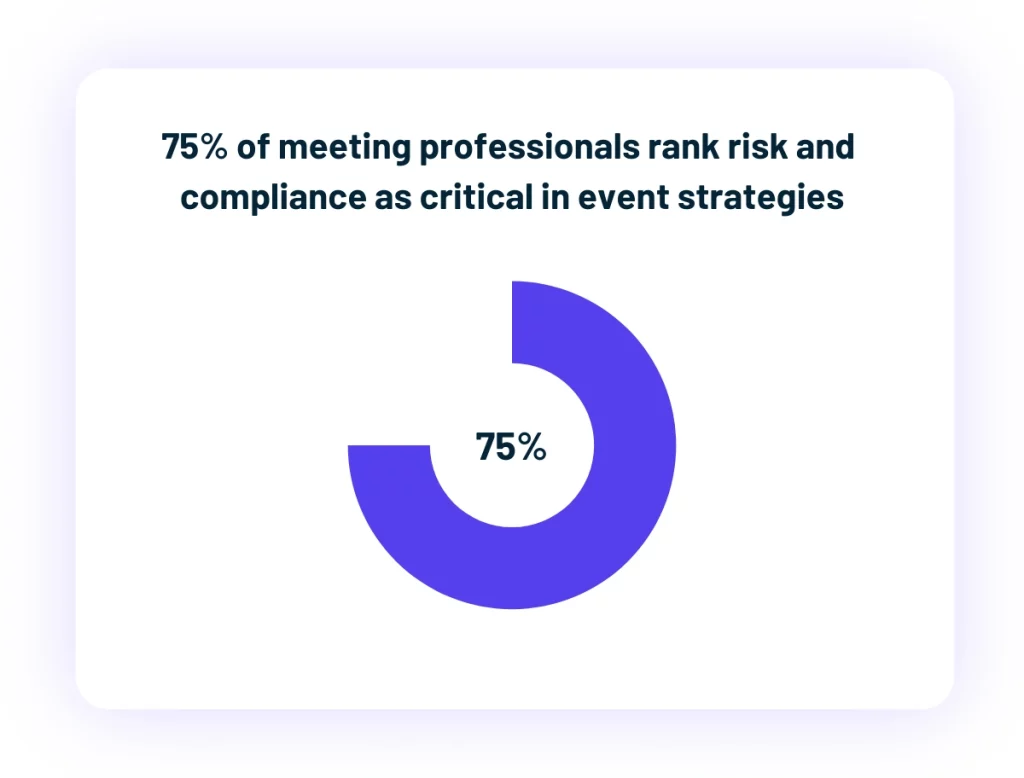
Seventy five percent of meeting professionals say risk and compliance are very or extremely important when shaping their event strategies.
Build your plan before you commit budget so specific risks are known and resourced.
A practical event risk management plan for attendees and sponsors
Keep it short, owned, and actionable.
1) Identify potential risks
Map potential risks to business impact. Include data breaches in event apps, security systems failures at a convention center, and weather conditions at outdoor activations. Note any safety regulations you must follow and whether background checks are required for event staff working your sponsored areas.
2) Prioritize risks based on likelihood and impact
Score probability and impact on pipeline. Decide which to avoid, transfer, reduce, or accept. Focus on the risks that would cancel executive meetings, harm attendee safety, or block lead capture.
3) Develop contingency plans
- Severe weather and outdoor events: define alternate meeting locations, hotel suites, or private lounges. Document evacuation routes for participants and clear shelter options for harsh environmental conditions.
- Technical failures: prebuild offline demo environments, create a QR mini-form for lead capture when scanners fail, and carry a tablet with hotspot for quick recovery.
- Security and access: coordinate with organizers on access control and security systems. Identify low-traffic entries to reduce crowding and potential threats.
- Financial risks: include flexible sponsor clauses, backup side-event options, and a contingency fund for unforeseen expenses.
4) Assign clear ownership
Name a person for each risk. Ownership speeds action when minutes matter and keeps your event team on the same page.
5) Communicate clearly
Prewrite attendee communications and internal alerts for schedule moves or room changes. Use social media updates and the event app for real time updates when appropriate so stakeholders stay aware.
Event planning, reframed for attending teams
Here event planning means how your team plans to attend, not how to host.
- Lead generation continuity: if scanners go down, shift to manual capture and reconcile to CRM the same day.
- Meeting protection: preassign a nearby backup table and a second coffee venue to keep in person meetings on time.
- Content continuity: if a speaking slot faces A/V issues, carry a trimmed deck and a portable display so session attendance and session tracking still influence deals.
Because 70% of corporate events in North America will be in person, land the day before and cluster first-day meetings in the afternoon to absorb travel variability.
Event tech, security, and real-time monitoring
Event tech is a force multiplier for prevention and recovery, and it introduces risks you must plan for.
- Monitoring and communication: use mobile apps for real time updates to your team when agendas shift.
- Access and security: request access details from organizers to route execs through less crowded entries, align with safety regulations, and reduce crowd control risk.
- Analytics: watch room traffic and session popularity to adjust on the fly and protect your most valuable conversations.
Mitigate tech risks too. Vet vendors for uptime and security, keep a backup platform for hybrid demos, and train the team on quick restart procedures. This is effective risk management that safeguards a safe event experience and supports event ROI.
Managing financial risks while you attend
Financial risks are the most visible to leadership.
- Contingency funds: earmark 10 to 20 percent to cover logistical challenges without canceling meetings or side activations.
- Contract flexibility: negotiate rebooking terms for sponsor deliverables if official sessions move.
- Sponsor protection: if the program restructures, pursue substitute branding or guaranteed meeting blocks with the organizer.
Roles, readiness, and on-site practice
- Event professionals and event planners on your side should own the risk register and huddle daily.
- Brief event staff on specific risks, evacuation points, and who calls decisions.
- Walk the space to understand environmental conditions and potential disruptions.
- Confirm emergency response contacts with event organizers and venue security. Make sure phone numbers and radios work where you will meet.
- If the venue requires background checks or special access for certain areas, complete them early.
Because 46% of attendees register 2 to 3 months out and 12% in the final month, keep capacity flexible and prepare messaging buffers for last-minute changes.
Post-event evaluation that improves the next event
Risk management continues after you fly home.
- Debrief within 5 business days: what happened, what almost happened, and what worked.
- Update the risk register with new identified risk items and refined likelihood scoring.
- Tie to outcomes: show where contingencies preserved meetings booked, leads captured, and opportunities opened.
- Prepare the next event packet so your next event benefits immediately.
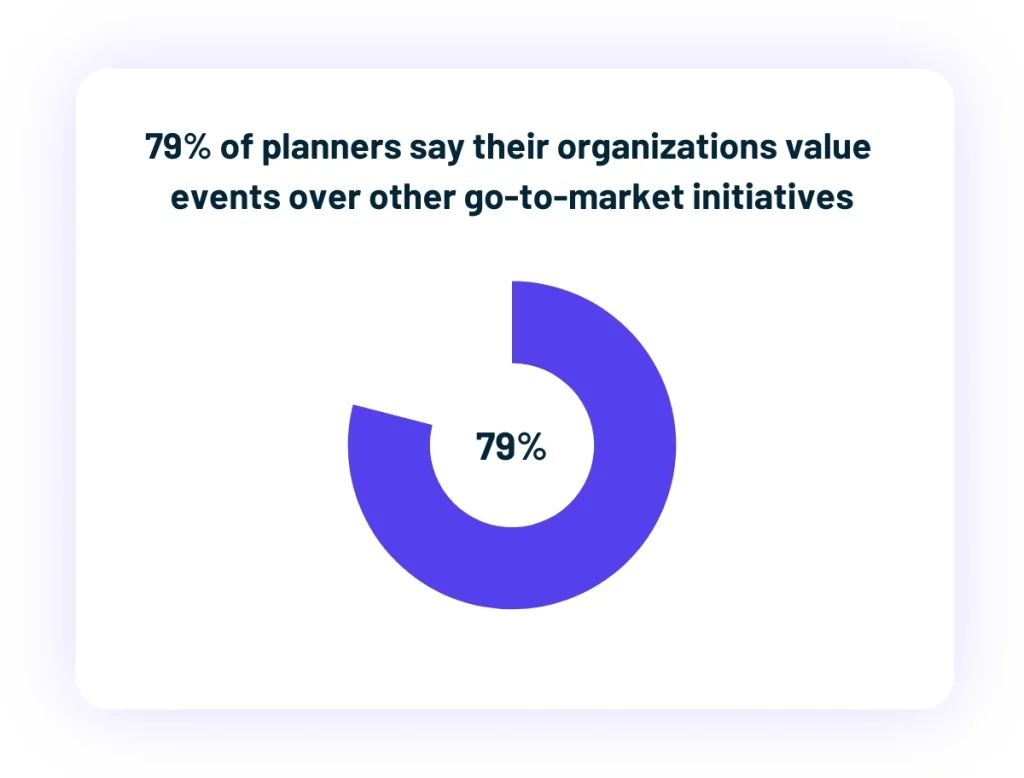
- Seventy nine percent of planners say their organizations view events as more valuable than other go to market initiatives, so protecting outcomes is critical.
Where Vendelux fits
Risk is about protecting pipeline, not just logistics. Vendelux uses confirmed attendee data so you prioritize events with high ICP density, automatically book meetings, and protect your most valuable interactions even if formats shift. You see who will be there, schedule the right conversations in advance, and attribute outcomes in Salesforce or HubSpot. When disruptions happen, you still meet the right people.
Book a demo to see how Vendelux helps you de-risk pipeline, protect revenue impact, and make smarter event choices.
FAQs
1) What belongs in our attending team’s event risk management plan?
A concise event risk management plan and risk register listing each identified risk, likelihood, impact, mitigation, contingency plans, owners, and contact trees. Include venue maps, alternate meeting spots, and safety regulations that apply.
2) How do we balance attendee safety with revenue goals when we are not hosting?
Make safety non-negotiable. Route VIPs via lower-density entries, confirm emergency response procedures, and map overflow spaces. These steps protect well being and your highest-value meetings.
3) Which specific risks should we model first?
Technical failures, severe weather, data breaches, access issues, and transportation delays. Add event-specific risks like outdoor events, high-profile keynotes that stress crowd control, or citywide strikes.
4) How big should our contingency fund be?
Many teams allocate 10 to 20 percent of total event costs, sized by risk level, outdoor exposure, and vendor flexibility.
5) How do we prove our plan protected event ROI?
Compare planned versus actual meetings, lead capture, and opportunities. Document where contingencies kept meetings on track or prevented cancellations, then attribute revenue in CRM.