You do not go to events for swag. You go to book meetings, create qualified leads, accelerate the sales cycle, and close deals. Sales and marketing alignment make that possible when your sales and marketing teams operate on the same page with one plan, shared event goals, and clear key performance indicators tied to pipeline.
Vendelux gives your GTM teams the advantage, from confirmed attendee data and target accounts filtering to meetings automation and CRM attribution, so your marketing efforts directly support sales reps before, during, and after every event.
TLDR: Key takeaways
- Sales and marketing alignment events turn marketing and sales efforts into revenue growth by prioritizing meetings, not just foot traffic.
- Marketing alignment starts with a go to market strategy that defines the target audience, event strategies, and a content calendar for email marketing and social campaigns.
- Conversion rates improve when marketing teams feed sales teams full context and sales enablement content, then both monitor progress against shared key performance indicators.
- Product launch moments, thought leadership, and field activations work best when marketing content and sales content are synchronized for a seamless customer experience.
- Measure event success with lead generation, meetings held, opportunities created, customer feedback, and social engagement, then refine the gtm strategy using valuable insights.
Why events drive alignment
Events put marketing teams and sales teams face to face with potential customers. They also compress time, which exposes sales and marketing misalignment quickly. Buyers still prefer control, so your approach must blend digital and in person moments.
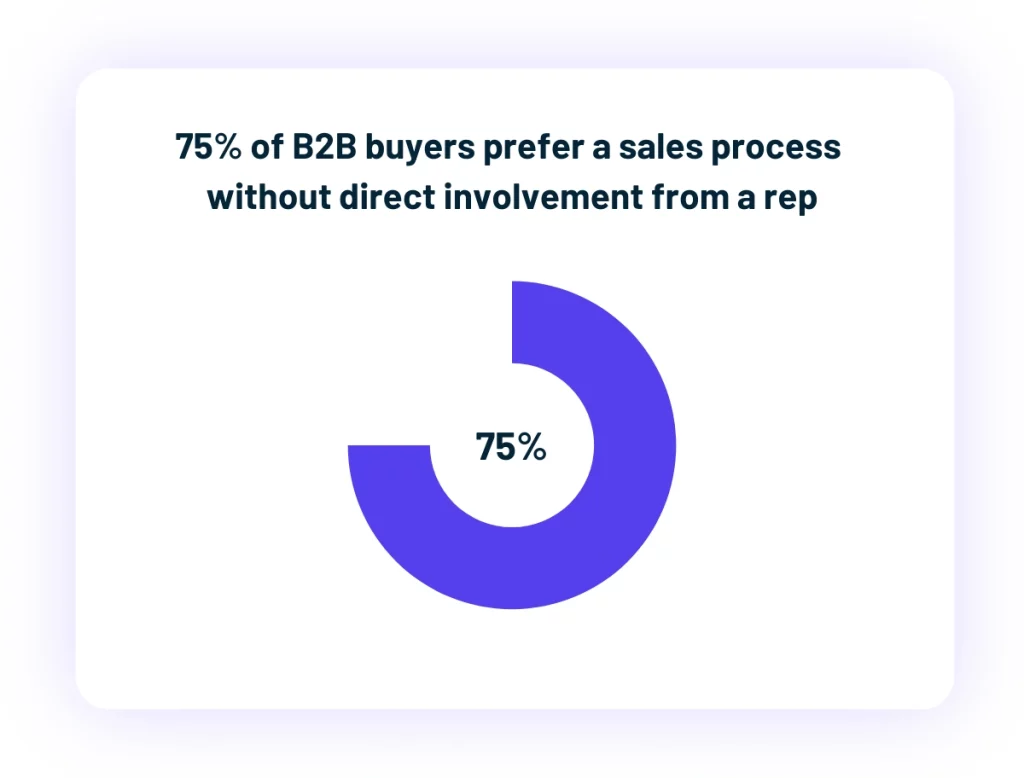
Seventy-five percent of B2B buyers prefer a sales process without direct rep involvement, which means your marketing strategies and sales efforts need coordinated touches that let buyers progress on their terms while still creating meetings for your team.
When marketing supports sales with targeted campaigns, clear positioning, and useful assets, achieving sales becomes a repeatable outcome. When that support is missing, opportunities stall and the sales cycle drags.
A go to market strategy built for events
A strong go to market strategy aligns sales and marketing functions on who you will meet and what you will say.
Your alignment blueprint
- Define event goals: meetings booked, meetings held, qualified leads, opportunities, revenue goals.
- Target audience: ideal titles, named accounts, regions, and buying committees.
- Marketing automation: sequences that warm target accounts, plus paid and organic marketing campaigns aimed at meeting acceptance.
- Sales enablement: talk tracks, competitor FAQs, objection handling, and 1-pagers matched to the buyer’s journey and market dynamics.
- Content creation: blogs, social posts, and demos that support the product launch calendar and thought leadership.
- Content calendar: pre, during, and post plays, with owners and dates so marketing teams work in sync with sales teams.
Vendelux helps by surfacing confirmed attendees at upcoming events so you can prioritize the right event strategies, align messaging, and route targeted campaigns to the accounts that will actually be on site.
Pre, during, and post: the alignment plays
Pre-event: create and confirm demand
- Use Vendelux to filter target accounts and decision makers.
- Launch targeted campaigns and email marketing to book meetings.
- Share lists with sales reps inside Salesforce or HubSpot, along with marketing content and sample outreach.
- Agree on daily targets for meetings set and meetings confirmed.
During the event: run one field play
- Staff for conversations, not scans.
- Sales reps log notes and pain points so marketing can adapt in real time.
- Hold quick standups so sales and marketing teams stay on the same page and resolve gaps fast.
- Track conversion rates from conversations to scheduled follow ups.
Post event: convert intent into pipeline
- Within 24 to 48 hours, route qualified leads with full context to sellers.
- Use marketing automation for targeted nurture by segment and persona.
- Customer success teams join follow ups when expansions emerge.
- Run a readout with key performance indicators, customer feedback themes, and next actions.
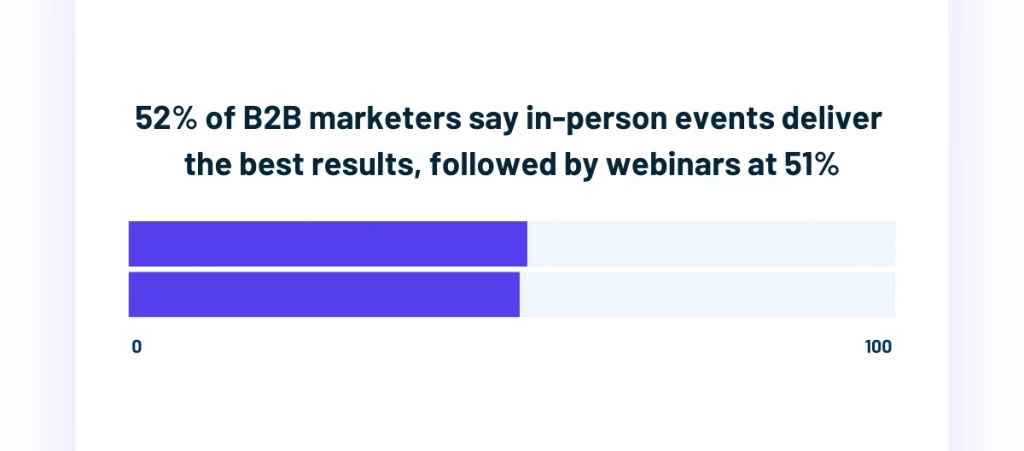
Proof of why speed matters: 52% of B2B marketers say in person events deliver their strongest results, and 51% say webinars are close behind.
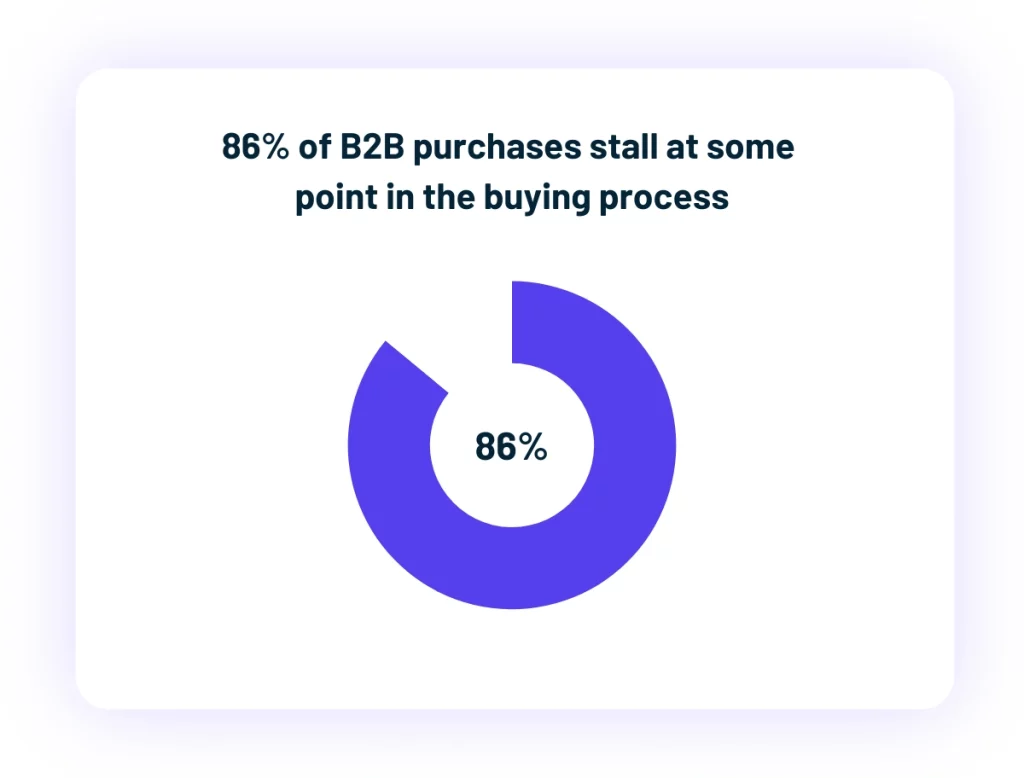
Yet 86% of B2B purchases stall at some point, which is why coordinated post event follow up across sales and marketing teams is essential.
Lead generation, conversion, and pipeline math
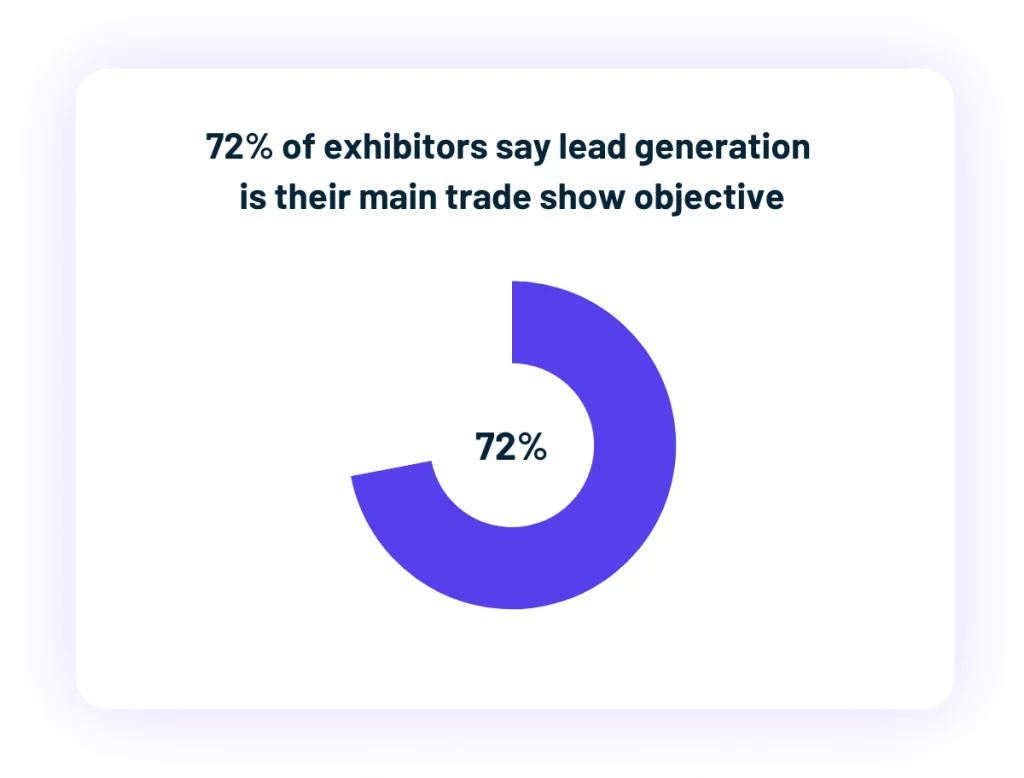
Events are still the most effective marketing channel for qualified leads, and exhibitors know it. Seventy-two percent of exhibitors say lead generation is their primary objective at trade shows.
The handoff decides whether those leads turn into revenue.
Your meeting math
- Meetings required = revenue target ÷ win rate ÷ average deal size ÷ meeting-to-opportunity rate.
- Assign owners for each stage so sales and marketing alignment is visible and actionable.
Vendelux increases your odds. Teams using Vendelux see a 3.5% positive response rate vs 1.5% industry and a 2.3% meeting rate vs 0.4% industry, which is 2.5x better responses and 6x more meetings. More meetings, more pipeline, faster revenue growth.
The role of product marketing and sales enablement
Product marketing bridges marketing functions and sales efforts. They translate customer needs and pain points into messaging, demo flows, and sales enablement that shorten the sales cycle. They also coordinate event strategies for a product launch, ensuring marketing content and sales content tell one story.
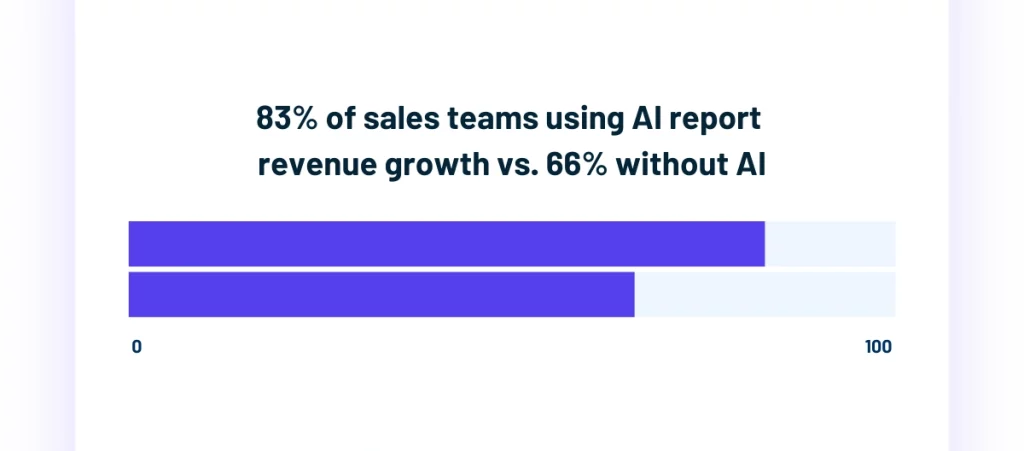
Alignment multiplies with the right tools. Eighty-three percent of sales teams using AI report revenue growth, compared with 66% without AI, which shows how AI-powered marketing automation and enablement strengthen execution.
What to measure: KPIs that prove alignment
Track event success with metrics that tie to pipeline and revenue.
- Lead generation and lead quality by segment.
- Conversion rates from meetings to opportunities and from opportunities to closed won.
- Customer feedback themes captured by sales reps.
- Social media engagement across event hashtags and posts.
- Attribution from event touchpoints to revenue in your CRM.
With Vendelux, you can follow any contact or account in your CRM to see which events they will attend, push attendee lists to sequences, and attribute event-sourced and event-touched revenue directly in Salesforce or HubSpot.
How Vendelux powers sales and marketing alignment events
- Confirmed attendee data: proof of intent, not clicks.
- Meetings automation: book executive dinners, side activations, conferences, and roadshows.
- CRM integrations: sync target accounts, add deal context, and track the event’s impact on pipeline.
- Benchmarks: understand performance against industry so you can measure success and improve with valuable insights.
Book a demo
Turn events into your most reliable growth motion. Vendelux removes guesswork, books more meetings, and proves revenue impact across your sales and marketing alignment events. Book a demo to align your GTM teams on the events that will grow your pipeline.
FAQs
1) How do we align before we pick events?
Start with confirmed attendee data. If your target accounts are present, activate. If not, reallocate to events where ICP density is higher.
2) What should marketing teams deliver to sales reps pre-event?
A prioritized list of target accounts, sequences, messaging, and sales enablement aligned to the buyer’s journey. Include objections and competitive angles.
3) How do we keep sales and marketing teams on the same page during the show?
Daily standups with clear event goals, quick dashboards for meetings set and held, and shared notes so content and talk tracks adapt in real time.
4) Which KPIs tell the true story of alignment?
Meetings booked, meetings held, opportunities created, conversion rates, and revenue attribution, plus qualitative customer feedback.
5) How do we handle product launch moments?
Lock messaging early, rehearse demos, align content creation to the launch timeline, and staff expert sellers for deep conversations with target accounts.