You do not win events by treating every attendee the same. Event audience segmentation lets you align marketing strategies with real buyer intent, so your team builds targeted marketing campaigns, strengthens customer relationships, and creates in-person meetings that turn into pipeline.
With the right segmentation criteria, your event experience maps cleanly to prospects, pipeline opportunities, and existing customers.
TLDR: Key Takeaways
- Event audience segmentation keeps your marketing efforts focused on prospects, pipeline, and existing customers, so every interaction ladders to meetings, pipeline, and revenue.
- Use demographic segmentation, behavioral segmentation, and psychographic segmentation to uncover valuable insights and design personalized experiences.
- Event management software and the event app help you effectively segment audiences for breakout sessions, targeted marketing campaigns, and timely follow up.
- Cross selling and loyalty programs increase customer loyalty and average order value when you tailor messages to different audience segments.
- Statistical data and market trends guide effective strategies, while CRM plus Vendelux ensure segmentation is actionable for sales teams on site.
Why audience segmentation matters for event impact
Audience segmentation gives you a deep understanding of attendees, so you can align communication strategies to specific needs and build long term relationships. It also helps you identify areas to optimize resources and focus on the most valuable audience segments, from net-new prospects to expansion-ready customers.
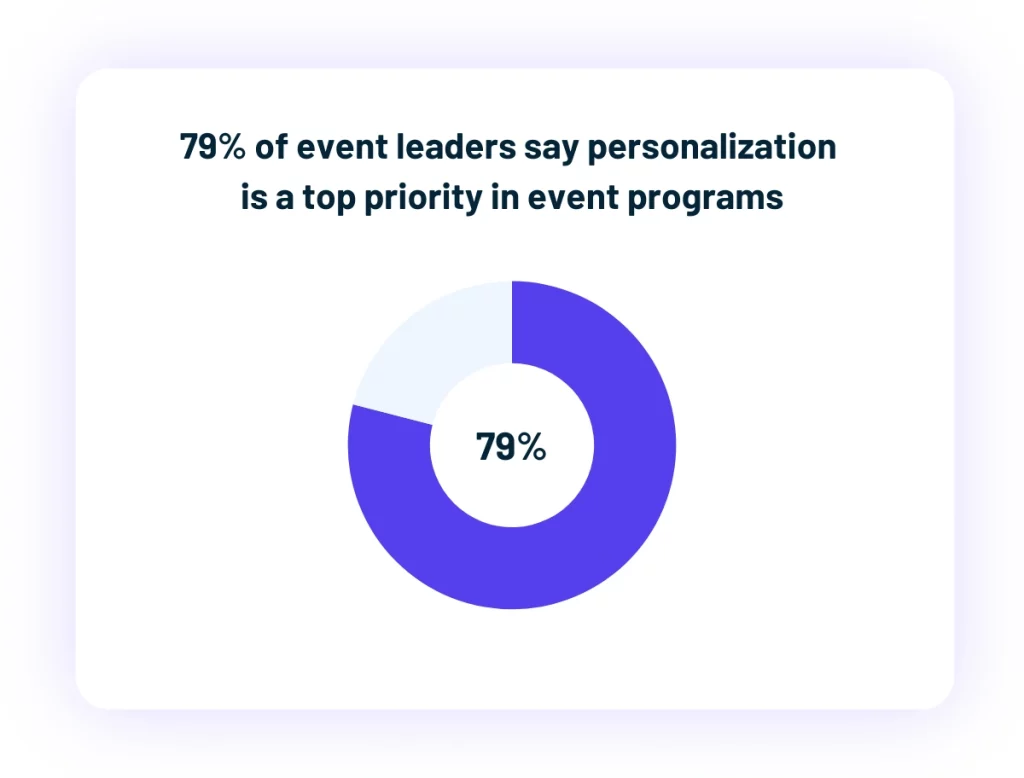
- 79% of event leaders say personalization is now a top priority in their programs. That shift rewards teams that segment audiences and deliver personalized experiences.
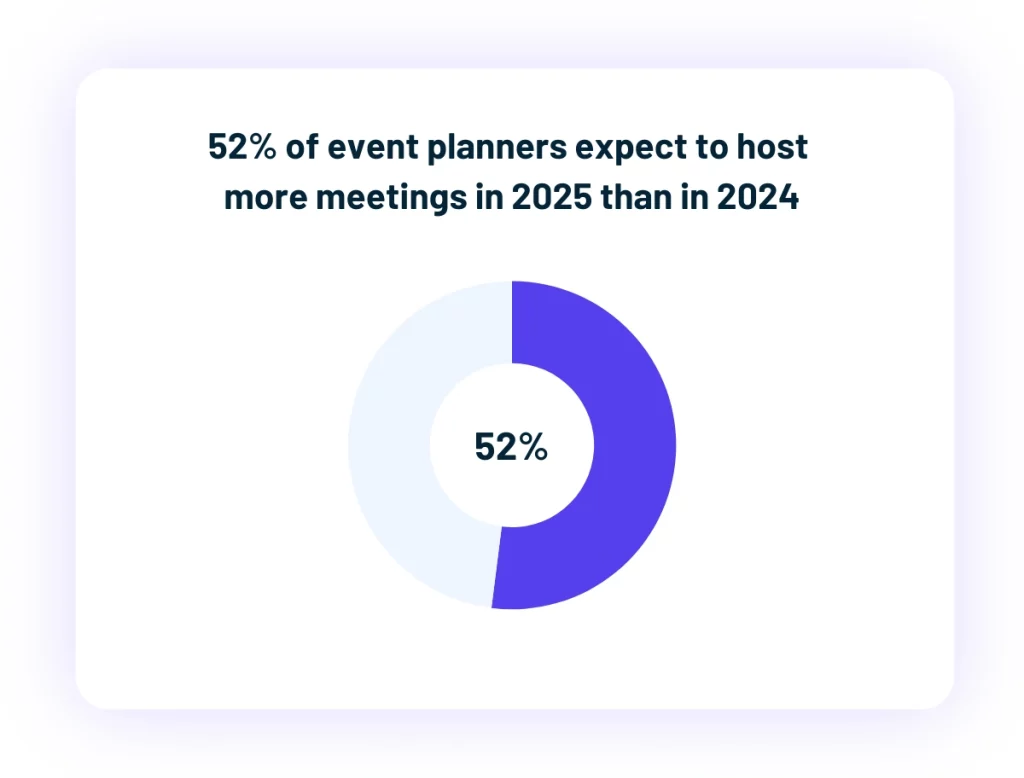
- 52% of event planners expect to host more meetings in 2025 than in 2024, which means scalable segmentation is critical as volume grows.
Types of audience segmentation that drive outcomes
Demographic segmentation: who they are
Segment by company size, job title, industry, and geographic location. At trade shows, use demographic segmentation to design breakout sessions for decision-makers in your target market and to prioritize meetings for mid-market or enterprise accounts.
Behavioral segmentation: what they do
Track session attendance, booth visits, content downloads, and repeat engagement across similar events. Behavioral data fuels targeted marketing campaigns, nurtures prospects through the buyer’s journey, and supports loyalty programs for customers.
Psychographic segmentation: why they care
Map interests, values, and preferences to craft personalized experiences. If a large cohort prioritizes sustainability or innovation, align product launch moments and content tracks accordingly to significantly enhance engagement. Psychographics also reveal cross selling opportunities tied to specific interests.
Using event management software and the event app to effectively segment
Event management software centralizes attendee data and makes segmentation criteria actionable in real time. The event app captures participation and intent signals that flow into segments used for breakout sessions and 1:1s.
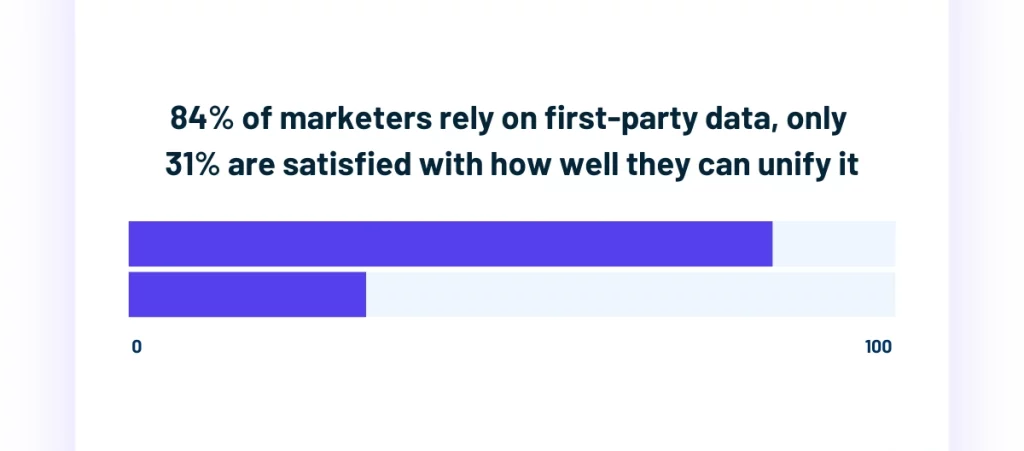
- 84% of marketers rely on first-party data, yet only 31% are satisfied with how well it is unified. Sync event data and CRM records so enriched profiles are accurate and usable.
- As meetings volume increases, manual lists break. Automated segment building is how you keep sales on the same page for on-site outreach and post-event follow up.
Segmenting prospects, pipeline, and existing customers
Prospects
New or lightly engaged attendees who are not yet in your sales process.
How to segment prospects:
- Demographics: company size, job title, geographic location.
- Behavioral signals: keynote attendance, booth scans, asset views.
- Intent indicators: survey responses, product page views inside the event app.
Practical example: Use event attendee lists to capture leads, flag director-plus titles at mid-market companies, and queue targeted marketing campaigns for immediate follow up.
Pipeline opportunities
Accounts already engaged with sales and evaluating options.
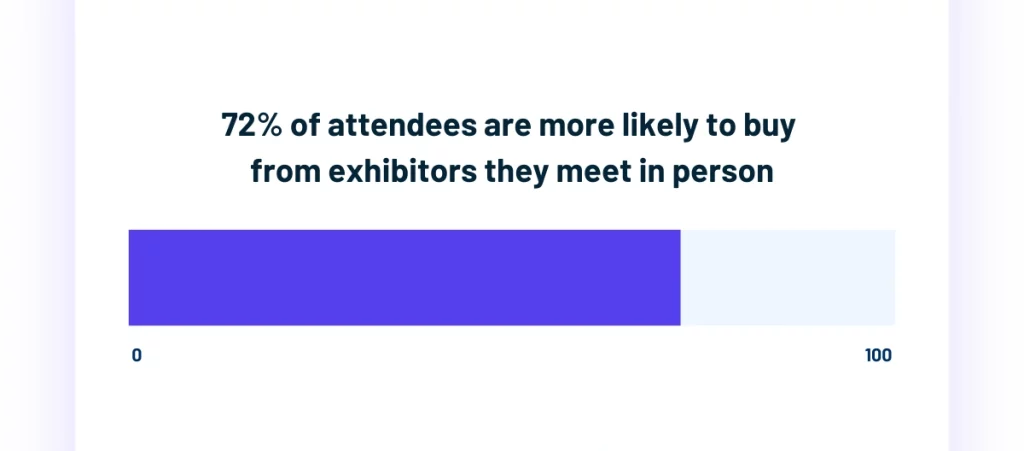
Why it matters: 72% of event attendees say they are more likely to purchase from exhibitors they meet in person. Events can be the tipping point.
How to segment pipeline:
- Buyer’s journey stage: early research, mid-funnel evaluation, late-stage negotiation.
- Behavioral activity: product demos attended, breakout sessions joined, meetings accepted.
- Company insights: growth stage and budget authority to prioritize high-probability opportunities.
Remember that B2B buying decisions often involve about 11 stakeholders and can reach up to 20. Plan segment-specific programming for champions, influencers, and economic buyers.
Existing customers
Active users who can expand, renew, or advocate.
How to segment customers:
- Usage patterns and feature adoption to tailor breakout sessions and office hours.
- Psychographic segmentation to match communication strategies to preferences.
- Expansion potential to plan cross selling motions that increase average order value and customer loyalty.
Turning segments into targeted marketing campaigns
- Prospects: direct mail or email sequences that address known pain points, with CTAs for discovery meetings.
- Pipeline: executive roundtables, product-fit workshops, and VIP breakout sessions aligned to evaluation criteria.
- Existing customers: roadmap briefings, customer advisory councils, and loyalty programs that reward advocacy.
Analyze audience segments continuously with statistical data. Gather feedback through surveys, monitor social media engagement, and compare performance to previous years to refine your event experience.
Measuring success by segment
Track conversion rates, engagement, and pipeline influence for each segment.
- Prospects: meetings booked, MQL to SQL progression, first-meeting show rate.
- Pipeline: late-stage progression, proposal volume, cycle-time reduction, closed-won.
- Existing customers: expansions, renewals, reference creation, program participation.
How Vendelux makes segmentation practical
Vendelux gives you confirmed attendee data, enrichment, and meetings automation, so you can effectively segment audiences and turn segments into scheduled conversations. Sales teams walk into the venue with prioritized lists for prospects, pipeline, and existing customers, then capture meetings and push outcomes to CRM for attribution. The result is more meetings, more predictable pipeline, and stronger customer loyalty.
Book a demo to see how Vendelux powers segmentation that converts.
FAQs
1) What segmentation criteria should we start with for events?
Begin with demographic segmentation, company size, job title, industry, and geographic location, then layer behavioral segmentation from session attendance and booth interactions, and psychographic segmentation from stated interests or survey signals.
2) How do we use audience segmentation to plan breakout sessions?
Build segments in event management software, for example evaluators, users, executives, then map each to relevant breakout sessions and small-group formats. Use the event app to route invitations and capture attendance for follow up.
3) How should segmentation differ for prospects vs pipeline vs existing customers?
Prospects need education and discovery, pipeline needs evaluation and proof, existing customers need adoption, expansion, and community. Design targeted marketing campaigns and experiences accordingly.
4) What is the best way to operationalize segmentation for sales on site?
Sync segments to CRM, provide list views by segment and territory, and give reps a daily cadence: pre-booked meetings, in-venue walk-ups, and post-session follow up. Use the event app to capture notes tied to segments.
5) How do we measure the impact of segmentation after the event?
Report segment-level conversion rates, meetings to opportunities, stage progression, average order value for cross selling, and renewal or expansion metrics for existing customers. Compare to past events and refine segmentation criteria.