If your goal is pipeline, start with precision. An ICP-based target account list focuses your sales and marketing efforts on the right accounts, not the most accounts. By fusing CRM data with event data, you can build a target account list that mirrors your ideal customer profile, prioritizes high potential accounts, and fuels account based marketing campaigns that convert.
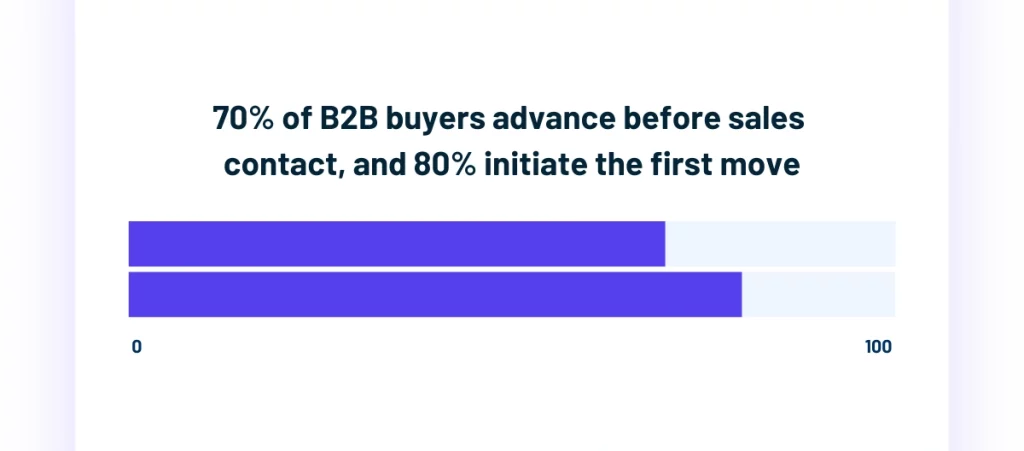
Seventy percent of B2B buyers progress through their journey before speaking with sales, and in 80% of cases buyers make the first move.
That is why event signals matter. They help you spot in market buyers early and engage before competitors do.
TLDR: Key Takeaways
- Define an ideal customer profile that captures firmographic data and success factors so sales and marketing teams focus on the right accounts.
- Enrich CRM data with event data to validate target accounts and surface high potential accounts that match your ICP.
- Use target account list events and engagement signals to prioritize account lists and shorten sales cycles with the target audience that matters.
- Segment your target account list by company size, geographic location, growth stage, and budget authority to align resources and improve conversion rates.
- Measure engagement and conversion rates across marketing campaigns to prove successful ABM campaigns and guide resource allocation.
Why target accounts matter
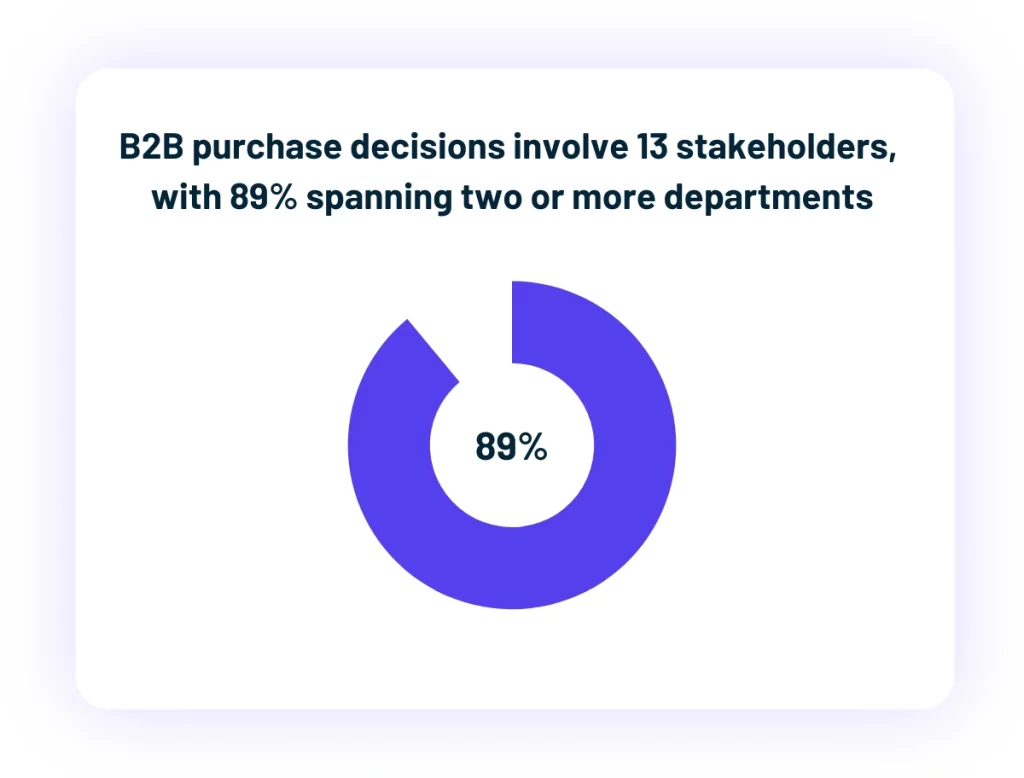
Target accounts are the backbone of account based marketing. A clear target account list aligns marketing and sales efforts on the same page, so sales teams spend time where win probability is highest. Because the average B2B purchase involves 13 stakeholders and 89% of deals span at least two departments, your account lists must reflect the buying committee reality, not a single buyer persona.
Create your ideal customer profile
Your ideal customer profile defines the right companies, not just any companies.
Key characteristics to capture:
- Company size and annual revenue
- Geographic location and growth stage
- Success factors drawn from current customers and customer success patterns
Use CRM data and real world insights from customer profiles to codify your ideal customer profile. This drives marketing alignment, improves lead quality, and increases conversion rates by keeping sales and marketing teams focused on ideal customers.
Build a target account list from CRM
With the ICP set, build your target account list TAL using:
- CRM data to find similar companies to your best current customers
- Firmographic data to qualify the target market by industry and size
- Intent data to flag in market buyers and specific accounts showing purchase signals
- Data enrichment, for example funding announcements or hiring spikes, to refine account targeting
The result is an account list grounded in your ICP that guides sales efforts and marketing strategy from day one.
Strengthen account lists with event data
Event data adds what CRM alone cannot: engagement signals tied to target accounts.
Use it to see:
- Engagement signals like session attendance, questions asked, and interactive exhibits visited
- Post-event conversion rates by account to identify high potential accounts
- Which customer profiles within target companies are most active, so sales reps tailor outreach
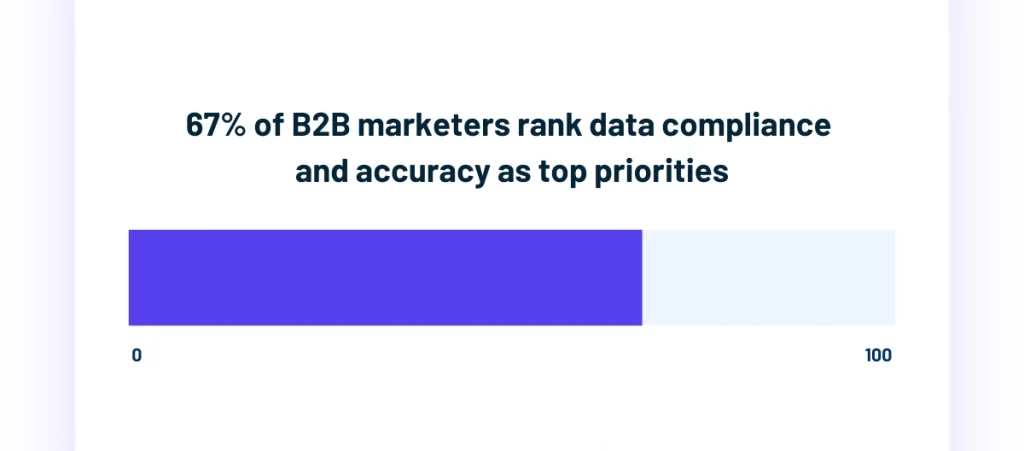
Sixty seven percent of B2B marketers rank data compliance and accuracy as top priorities, so connect systems with clear governance.
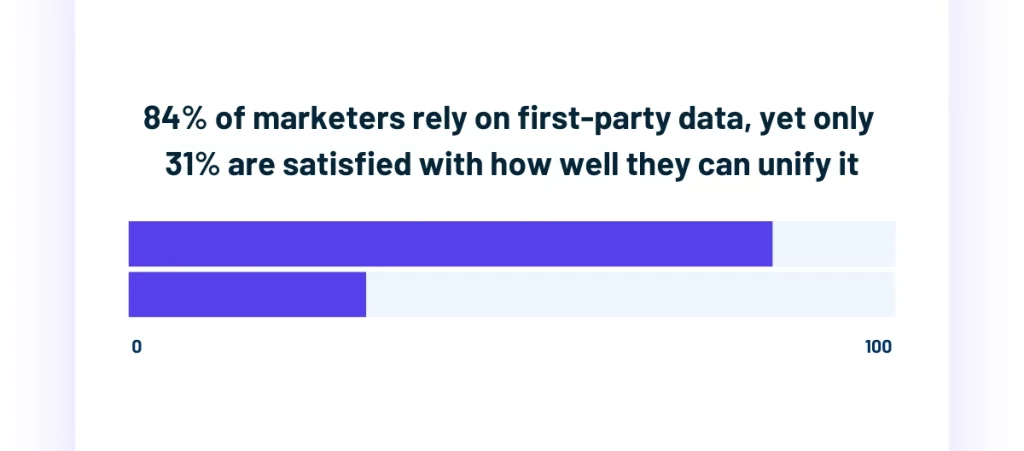
Also note that 84% of marketers rely on first-party data, yet only 31% feel they can unify it effectively. Integrating CRM data and event data closes that gap and improves lead quality.
Prioritize and segment for action
Not every record in your account lists is equal. Prioritize right accounts using:
- Alignment to ICP and success factors
- Engagement and conversion rates from event interactions
- Budget authority, company size, and growth stage
Then segment by geographic location, industry, mid market vs enterprise, or other firmographic data. Segmentation lets marketing teams create marketing campaigns that speak to specific pain points and budget considerations, which lifts conversion rates and produces more deals.
Personalization that accelerates sales cycles
Personalization turns account lists into pipeline. Build marketing content and email marketing that reference sessions attended, questions asked, and specific pain points surfaced at events. Follow up fast while interest is high to enable faster sales cycles and higher lifetime value from the most valuable customers.
Measure what matters
Track key metrics to prove impact:
- Conversion rates at each sales process stage for target accounts
- Engagement and conversion rates tied to event interactions
- Lifetime value and customer success outcomes among targeted accounts
Review these key metrics regularly to refine account lists and marketing strategy. Avoid common pitfalls like skipping the ideal customer profile, neglecting data enrichment, or ignoring the competitive landscape.
Activate your ICP with Vendelux
Vendelux combines confirmed attendee event data with your CRM so marketing teams and sales teams can effectively target right accounts, prioritize high potential accounts, and book in-person meetings that move deals. You can follow target accounts, see target companies and decision makers attending, and push account lists into Salesforce or HubSpot for coordinated marketing and sales efforts. That is how you align account based marketing with real meetings and measurable revenue impact.
Ready to build a target account list that delivers pipeline? Book a demo of Vendelux and see how to transform your sales and marketing strategy today.
FAQs
How detailed should our ideal customer profile be?
Comprehensive, but practical. Include company size, annual revenue, geographic location, growth stage, and success factors from current customers. Update as real world insights evolve.
What event signals are most useful for prioritization?
Session attendance, repeat participation, booth interactions, questions asked, and post-event meetings scheduled. These engagement signals correlate with higher conversion rates.
How do we keep sales and marketing efforts aligned on account lists?
Publish a single target account list in CRM, tag accounts by segment, and run weekly standups so sales and marketing teams stay on the same page about specific accounts.
How do we handle data quality across systems?
Create a governance checklist for CRM data, event data, and data enrichment. Standardize firmographic data, dedupe records, and define owners for account lists and intent data.
What proves our account based marketing campaigns are working?
Improved conversion rates by segment, more meetings with high potential accounts, shorter sales cycles for right accounts, and increased lifetime value among ideal customers.