If you are allocating an event budget, you are allocating pipeline.
Your goal is simple, meetings that convert to revenue.
Treat event budget allocation as a go-to-market decision, not a logistics exercise, and fund the in person events, hybrid event opportunities, and sponsorships that put your ICPs in front of your team and into booked meetings.
TLDR: Key Takeaways
- Event budget allocation is about maximizing pipeline and event success, not just managing event expenses.
- Tie every dollar in your event planning process to meetings booked, pipeline created, and revenue closed.
- Use a free event budget template or an event budget example to map fixed and variable costs to outcomes.
- Even if you are not an event planner, align spend with business goals for each corporate event you attend.
- Pull historical data from past events, and what event organizers publish to the event industry, to redirect budget toward higher-yield programs.
- Keep a contingency fund so unexpected costs do not derail meeting volume during the next event.
- Balance in person events and selective hybrid add-ons, then track actual costs in real time to refine event planning and improve future events.
Event Budget Allocation: Budget Like A Revenue Leader
Your event budget is a portfolio. Fund the mix of business-building activities that predictably create meetings and pipeline.
- Sponsorships that guarantee access: prioritize sponsorship packages that include branding opportunities plus meeting rights, speaking slots, and hosted networking events.
- Activation that converts: reserve budget for executive dinners, side activations, and demo suites where your team controls attendee movement and session participation.
- People where it matters: staffing costs should scale with meeting capacity, not square footage. Link travel and lodging to the number of meetings a rep will hold.
- Marketing that fills calendars: pre-event marketing efforts, email outreach, and paid campaigns should be budgeted against meetings requested and accepted, not impressions.
Global business travel spending is projected to reach 1.57 trillion dollars in 2025, a clear signal that in person meetings remain a priority for revenue teams. Allocate accordingly.
Creating An Event Budget That Connects Every Dollar To Meetings
Use a comprehensive event budget that separates fixed and variable costs, then attaches each item to a pipeline hypothesis.
- Fixed costs: sponsorship fees, booth footprint, core travel blocks.
- Variable costs: giveaways, service fees, lead capture tools, premium activations.
- Contingency fund: set 10 to 20 percent aside for unexpected expenses like rush production, last-minute sponsorship upgrades, or additional event staffing.
A strong event budget proposal should always connect spend to revenue outcomes. Example, a hosted networking event with 30 ICPs, 18 meetings held onsite, 10 follow-up meetings, 4 opportunities created. That framing turns an event cost into a forecast.
Where To Invest First: In Person Events And Hybrid Event Plays
- Events with the right audience density
Use event data to prioritize events where your target audience, prospective customers, and customers will be present. Compare against previous events on cost per qualified lead, cost per opportunity, and revenue generated. - Sponsorships that promise access, not just logo placement
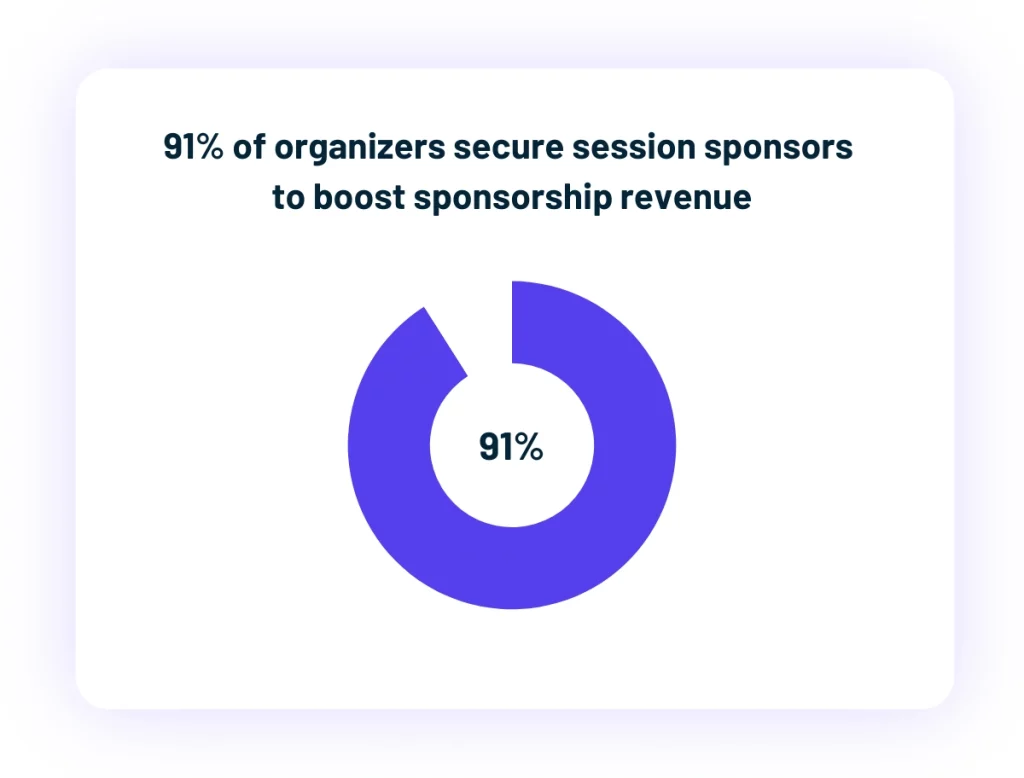
More than nine in ten organizers, 91 percent, now secure session sponsors. Buy sponsored sessions when they include meeting rights, lead lists with consent, and visible calls to book time with your team. - Programs that scale meetings, not footprint
Executive dinners, side activations, and one-to-one meeting programs often beat a larger booth on event’s financial performance because they concentrate attendee engagement. - Selective hybrid add-ons for incremental reach
Add a hybrid event stream when it meaningfully adds qualified meetings and buying-committee participation, not just views.
Control Event Costs Without Starving Pipeline
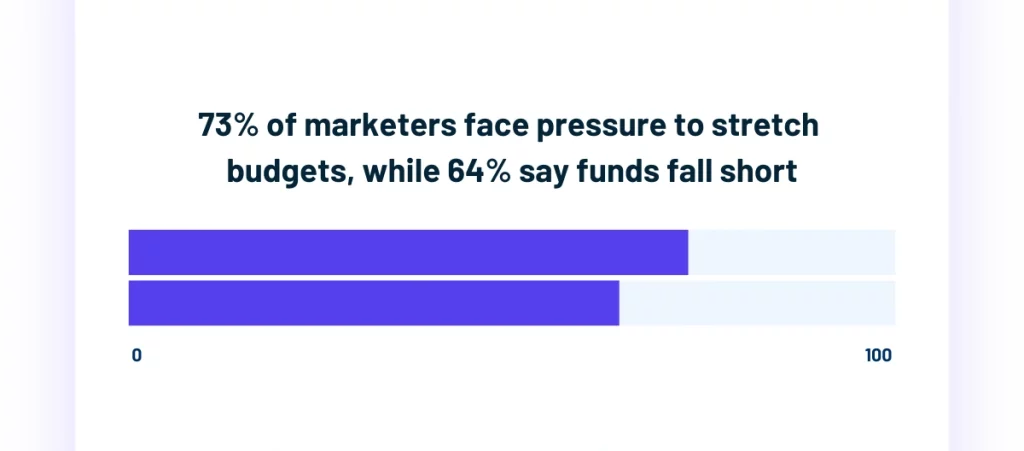
Budgets are tight. Seventy-three percent of marketers say leadership expects them to stretch budgets and 64 percent say current funds fall short.
Track actual costs versus projected expenses weekly and move dollars to the highest-yield activities.
Audit by question:
- Which activities generated the most meetings or deals, and at what cost per opportunity created?
- Did venue costs or entertainment costs translate into authentic conversations with buyers?
- Which marketing efforts drove attendees engaged in meetings, social replies, and form fills?
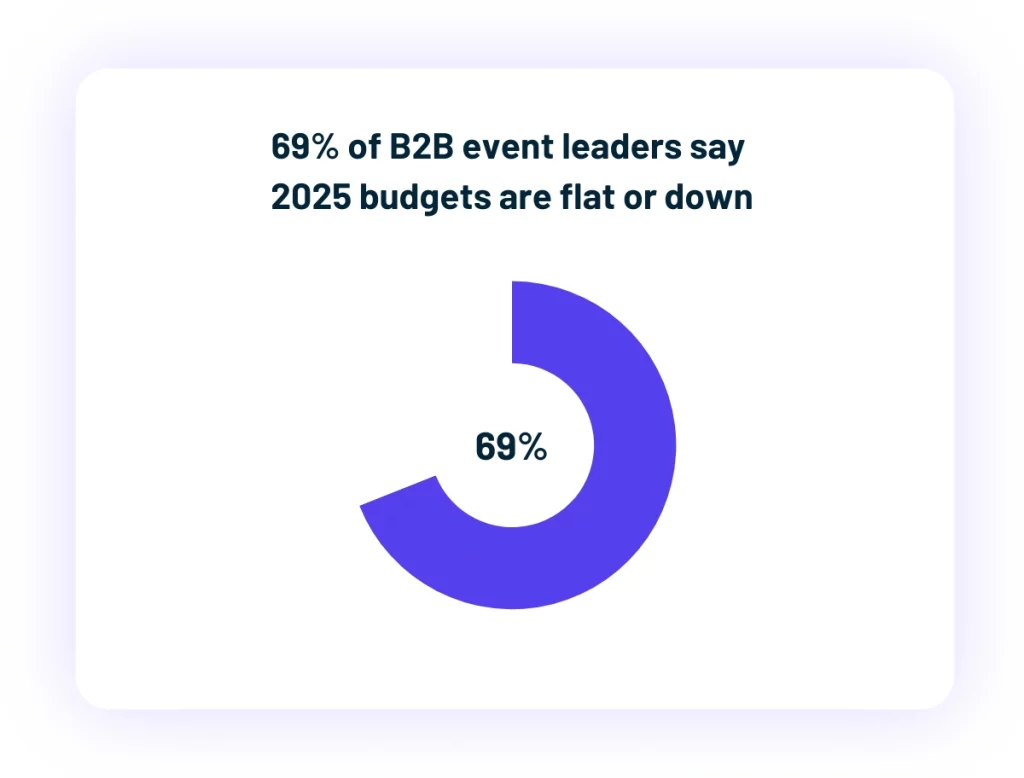
Sixty-nine percent of B2B event leaders report flat or decreased 2025 budgets, so this discipline matters.
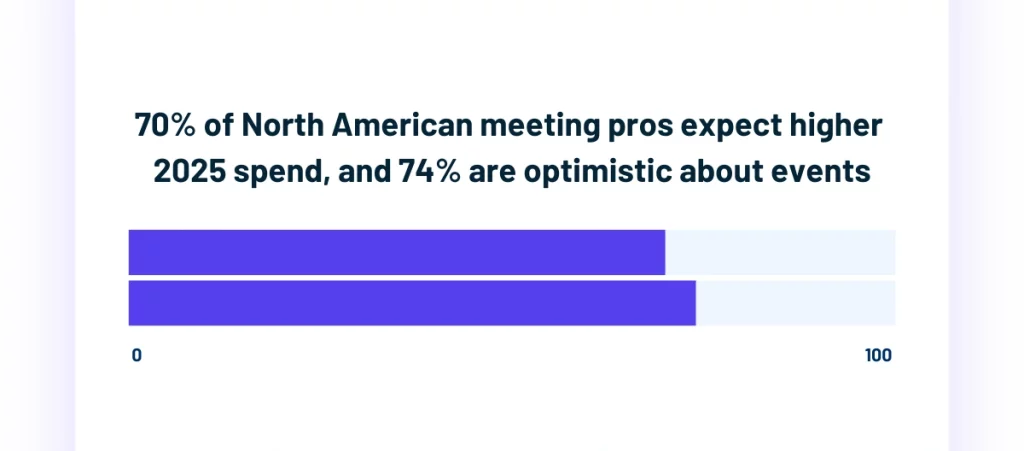
At the same time, 70 percent of North American meeting professionals expect event spending to rise in 2025 and 74 percent are optimistic about the future of events.
Invest, but measure.
Use Data From Past Events To Decide The Next Event
Post event analysis should look like a trading desk recap, not a highlight reel.
- Cost per qualified lead, cost per opportunity, and win rate by program.
- ROI by sponsorship package or activation, not just by event.
- Event profit and payback period by segment.
- Historical data trends that inform future budgets and where to save money.
Duplicate what worked, cut what did not, and let the numbers inform creating an event budget for your next event.
Event Budget Proposal And Contingency Fund, What To Include
- Tie every budget line to event goals, meetings booked, and expected pipeline.
- Show projected expenses next to expected opportunities and revenue.
- Include a contingency fund at 10 to 20 percent to protect against unexpected costs and unforeseen expenses without canceling meetings.
- Call out staffing costs with clear job descriptions linked to meeting capacity.
This simple structure earns faster executive approval because it connects spend to outcomes.
Software To Track Event Expenses And Your Event Budget In Real Time
Event budgeting software and event management software help you monitor performance in real time:
- Integrations: lead capture and session tracking so attendee behavior links to opportunities.
- Dashboards: actual costs and projected costs in one place to keep the event lifecycle visible.
- Attribution: push meetings, ticket sales for your owned activations, and revenue streams into Salesforce or HubSpot.
When you can see actual expenses and pipeline side by side, you allocate resources effectively and keep financial control.
Sustainable Choices, Still Built For Pipeline
Eco-friendly booths, digital event content, and reduced print are good for the environment and often reduce variable costs. Budget for them when they maintain a memorable experience and do not reduce meeting capacity.
Vendelux: Budget Where Meetings Will Happen
Vendelux is event intelligence plus meetings automation for revenue teams who attend.
- Prioritize the right events: confirmed attendee data shows where your ICPs will be, enriched with historical and predicted data.
- Book meetings automatically: Vendelux Meetings fills calendars before you land.
- Prove event ROI in CRM: connect Salesforce or HubSpot to track event-sourced and event-touched revenue, and compare multiple events with consistent metrics.
Teams using Vendelux see a 2.5x higher positive response rate, 3.5 percent vs 1.5 percent, and a 6x higher meeting rate, 2.3 percent vs 0.4 percent, than industry averages. Voltage saw a 300 percent increase in late-stage pipeline and 6x more qualified meetings per event. Delivery Solutions booked 76 incremental, highly targeted meetings at Shoptalk. That is budget allocation working.
Ready to make every dollar a meeting multiplier? Book a Demo of Vendelux.
Frequently Asked Questions
How much should we set aside for a contingency fund
Plan 10 to 20 percent of the event budget to cover unexpected costs and unforeseen expenses without canceling meetings or cutting high-yield activations.
What is the fastest way to compare events for pipeline impact
Use cost per opportunity, opportunity creation rate from meetings, and revenue generated. Compare those against event expenses to calculate event ROI and event profit.
When do hybrid event add-ons make sense
Fund them when they reliably add qualified meetings and follow-ups, not just views. Treat hybrid event budget as variable and tie it to meeting conversion.
Which sponsorship packages are worth the premium
Those that include access, sponsored sessions with booking CTAs, opted-in lists, and hosted networking events. Avoid vanity-only logo placement.
What data sources should feed our budget decisions
Historical data from past events, lead capture and session tracking, campaign UTMs, and CRM opportunity outcomes. Use post event analysis to shift dollars before the next event.